How I Caught High Blood Pressure Early — And What Changed Everything
High blood pressure often shows no signs until it’s too late. I found mine by chance during a routine check, and that small number changed my life. It wasn’t scary headlines or symptoms—it was silent. But catching it early made all the difference. This is not a cure story, but a real journey of small shifts that added up. What if you could see it coming? What if you already have the tools to respond? The truth is, millions live with high blood pressure without knowing it, and many only discover it after serious damage has occurred. Yet, early detection transforms outcomes. It shifts the narrative from crisis to control, from fear to focus. This is a story about awareness, action, and the quiet power of prevention—because sometimes, the most important health moments happen when you feel perfectly fine.
The Silent Alarm: Recognizing the Invisible Threat
High blood pressure, also known as hypertension, is a condition in which the force of blood against the walls of the arteries is consistently too high. It’s often called the “silent killer” because it typically produces no noticeable symptoms. Unlike a fever or an injury, there’s no pain, no warning signal, and no immediate discomfort to prompt action. Yet, over time, uncontrolled hypertension silently damages the cardiovascular system, increasing the risk of heart attack, stroke, kidney disease, and vision loss. The danger lies not in how it feels, but in what it does—gradually weakening blood vessels, straining the heart, and accelerating aging in the body’s most vital systems.
One of the most common misconceptions about high blood pressure is that it only affects older adults or people with obvious health issues. In reality, hypertension can develop at any age. Sedentary lifestyles, poor dietary habits, chronic stress, and genetic predisposition all contribute, making it increasingly prevalent even among individuals in their 30s and 40s. Another widespread myth is that if you feel fine, your blood pressure must be normal. This belief can be dangerously misleading. Many people assume that the absence of symptoms means good health, but in the case of hypertension, feeling well may simply mean the damage is still hidden. The body is remarkably resilient, and it can compensate for elevated pressure for years—until it can’t.
The long-term effects of untreated high blood pressure are both serious and preventable. As pressure builds in the arteries, the inner lining becomes damaged, creating sites where plaque can accumulate. This process, known as atherosclerosis, narrows the blood vessels and reduces blood flow. The heart, forced to work harder to pump blood through restricted pathways, may eventually enlarge or weaken, leading to heart failure. Meanwhile, delicate organs like the kidneys and eyes suffer from reduced circulation, impairing their function over time. Even cognitive health is at risk, as studies have linked chronic hypertension to an increased likelihood of vascular dementia.
What makes early detection so crucial is that these changes occur slowly, often over decades. By the time symptoms appear—such as headaches, shortness of breath, or nosebleeds—the underlying damage may already be significant. This is why routine medical checkups are essential, even when you feel healthy. A simple blood pressure reading, often taken in less than a minute, can reveal a condition that, if addressed early, is highly manageable. Waiting for symptoms to appear is not a strategy—it’s a gamble with long-term consequences. Awareness begins not with illness, but with prevention.
Why Early Intervention Matters More Than You Think
Acting early on high blood pressure isn’t just about lowering a number—it’s about reshaping long-term health outcomes. Research consistently shows that individuals who detect and manage hypertension in its early stages significantly reduce their risk of developing life-threatening complications. According to data from the American Heart Association, lowering systolic blood pressure by just 10 mm Hg can reduce the risk of stroke by up to 40% and the risk of heart disease by nearly 25%. These aren’t abstract statistics—they represent real people who avoided hospitalizations, surgeries, and premature disability because they took action before a crisis occurred.
When comparing two individuals—one who begins managing blood pressure at age 45 and another who receives a diagnosis at 60 after experiencing a minor stroke—the difference in quality of life is often profound. The earlier intervention allows for gradual, sustainable lifestyle adjustments that work with the body’s natural rhythms. In contrast, late-stage management frequently requires aggressive medication regimens, strict dietary limitations, and emergency care—all of which can feel overwhelming and restrictive. More importantly, by the time damage is evident, some changes may be irreversible. Early action preserves not just longevity, but vitality.
The power of early intervention lies in its compounding effect. Small, consistent habits—like choosing fresh foods over processed ones, walking daily, or managing stress—accumulate over time to produce meaningful physiological changes. These habits don’t demand perfection; they thrive on persistence. For example, reducing sodium intake by 1,000 milligrams per day may seem minor, but over months, it can lead to a measurable drop in blood pressure. Similarly, increasing physical activity doesn’t require intense workouts—moderate walking for 30 minutes a day has been shown to support cardiovascular health significantly.
Perhaps the most empowering aspect of early intervention is the shift in mindset it fosters. Instead of reacting to illness, individuals move into a position of control. They learn to see health not as a passive state, but as an active practice. This sense of agency is transformative. It replaces fear with focus, helplessness with habit-building. Rather than waiting for a doctor’s appointment to dictate action, people begin to trust their ability to influence their own well-being. And that confidence becomes its own form of protection—a psychological resilience that supports long-term success.
My Wake-Up Call: A Personal Turnaround Story
I never thought high blood pressure would be part of my story. At 47, I considered myself relatively healthy—no chronic conditions, no major illnesses, and no reason to worry. I exercised occasionally, ate what I thought was a balanced diet, and visited the doctor only when necessary. It was during a routine physical, prompted more by obligation than concern, that my blood pressure reading came back at 148 over 94. The doctor paused, looked at the number, and said, “We should keep an eye on this.” That moment was my first real encounter with a condition I had always associated with older relatives or dramatic medical dramas on television.
My initial reaction was disbelief. I felt fine. I wasn’t dizzy, tired, or short of breath. How could something be wrong when I showed no signs? I told myself it was a fluke—maybe I’d been anxious during the test, or I’d had too much coffee that morning. I dismissed it, thinking the next reading would be normal. But when I checked again a week later, the numbers were similar. That’s when reality began to sink in. This wasn’t a one-time spike. This was a pattern. And if I ignored it, I was risking far more than I realized.
Acceptance didn’t come overnight. There was a period of denial, followed by frustration, and eventually, a quiet determination. I started reading about hypertension—not just the risks, but the solutions. I learned that while genetics played a role, lifestyle was equally, if not more, influential. I began to see my daily choices in a new light. The frozen meals I relied on for convenience? High in sodium. The long hours at my desk? Minimal movement. The wine I unwound with in the evenings? A contributor to elevated pressure. None of these habits felt extreme on their own, but together, they created a perfect storm.
What changed everything was shifting from passive awareness to active management. I stopped waiting for symptoms to tell me what to do and started making choices based on what I wanted my future to look like. I began walking every morning, not as punishment, but as a promise to myself. I started cooking more at home, experimenting with herbs and spices instead of salt. I tracked my blood pressure at home, not obsessively, but with curiosity and care. Over time, the numbers began to trend downward. More importantly, I felt more in control. Looking back, I wish I had known sooner. Not because I regret my past, but because I know how much earlier I could have started building a healthier life.
The Daily Habits That Actually Work (No Gimmicks)
Managing high blood pressure doesn’t require extreme diets, expensive supplements, or hours at the gym. What works are consistent, science-backed habits that fit into real life. The foundation of effective management begins with nutrition. A diet rich in whole grains, fruits, vegetables, lean proteins, and low-fat dairy has been shown to support healthy blood pressure levels. The DASH diet—Dietary Approaches to Stop Hypertension—is one of the most well-researched eating plans for this purpose. It emphasizes potassium, calcium, magnesium, and fiber, all of which play roles in regulating blood pressure. The key isn’t deprivation, but replacement—swapping processed snacks for fresh alternatives, choosing grilled over fried, and reading labels to avoid hidden sodium.
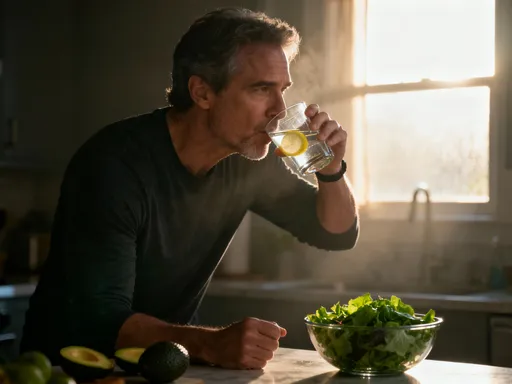
Salt reduction is often cited as critical, and for good reason. Excess sodium causes the body to retain water, increasing the volume of blood and, consequently, the pressure within the arteries. But cutting back doesn’t mean sacrificing flavor. Many people assume low-sodium eating is bland, but with the right approach, meals can be both delicious and heart-healthy. Using garlic, lemon juice, vinegar, herbs like basil and oregano, and spices such as cumin and paprika can enhance taste without relying on salt. Cooking at home gives greater control over ingredients, and simple swaps—like using low-sodium broth or rinsing canned beans—can make a measurable difference over time.
Physical activity is another cornerstone of blood pressure management. Movement helps the heart become more efficient, reducing the force needed to pump blood. The good news is that intense workouts aren’t required. Brisk walking for 30 minutes a day, five days a week, is enough to make a positive impact. Other accessible activities include cycling, swimming, gardening, or even dancing at home. The goal is consistency, not intensity. For those with busy schedules, breaking activity into shorter sessions—such as three 10-minute walks—can be just as effective. Over time, regular movement also supports weight management, improves sleep, and reduces stress, all of which contribute to better cardiovascular health.
Sleep and stress are often overlooked but powerful influences on blood pressure. Chronic sleep deprivation disrupts hormonal balance and increases sympathetic nervous system activity, both of which can elevate blood pressure. Aiming for 7 to 8 hours of quality sleep per night is essential. Establishing a regular bedtime routine, limiting screen time before bed, and creating a calm sleeping environment can improve sleep hygiene. Similarly, chronic stress keeps the body in a state of heightened alert, contributing to sustained high pressure. Mindfulness practices, deep breathing exercises, journaling, or simply spending time in nature can help regulate the stress response. These habits don’t eliminate life’s challenges, but they build resilience against their physical effects.
Tracking Progress Without Obsession
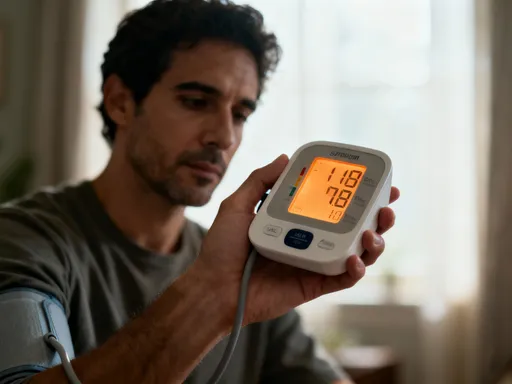
Monitoring blood pressure at home is a valuable tool for anyone managing hypertension. It provides a clearer picture of daily patterns than occasional doctor visits, which can be influenced by temporary factors like anxiety—a phenomenon known as “white coat hypertension.” Home monitoring allows individuals to observe how lifestyle choices, such as diet, exercise, or stress, affect their numbers over time. It also fosters a sense of engagement and accountability. However, it’s important to approach tracking with balance. The goal is insight, not anxiety. Overchecking—measuring multiple times an hour or reacting strongly to minor fluctuations—can increase stress, which in turn may raise blood pressure.
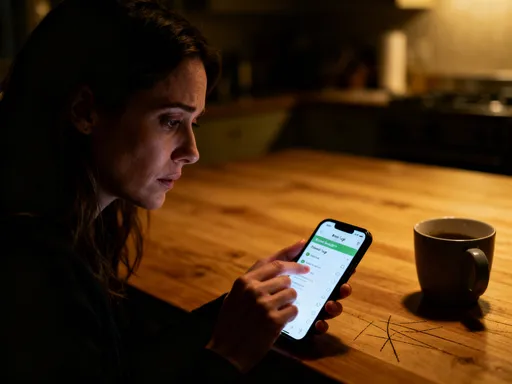
To monitor effectively, it’s best to follow a consistent routine. Measurements should be taken at the same time each day, ideally in the morning before medication and in the evening before dinner. The person should be seated quietly for five minutes, with feet flat on the floor and the arm supported at heart level. Using a validated, upper-arm monitor ensures accuracy. Recording the results in a simple log—whether on paper or a mobile app—helps identify trends. A single high reading isn’t cause for alarm, but a series of elevated numbers over several days may indicate the need for a conversation with a healthcare provider.
The numbers themselves are not a judgment of worth or failure. They are feedback—data points that reflect how the body is responding to daily habits and overall health. Just as a car’s dashboard alerts the driver to engine performance, blood pressure readings offer guidance. A temporary spike after a stressful day or a salty meal doesn’t mean all progress is lost. What matters is the overall direction. Are the numbers trending downward over weeks and months? Is the average within a healthier range? These are the questions that matter most. Tracking becomes most useful when it informs action, not when it fuels worry.
Building a Supportive Environment That Sticks
Sustaining healthy habits is easier when the environment supports them. Small changes at home and work can make the right choices the default, rather than the exception. In the kitchen, for example, keeping fresh fruits and vegetables visible and within reach encourages healthier snacking. Storing processed foods in less accessible places—or not buying them at all—reduces temptation. Using smaller plates can help with portion control, while drinking water before meals may naturally reduce calorie intake. These aren’t drastic measures, but subtle nudges that align the environment with health goals.
Grocery shopping becomes more effective with a plan. Creating a list based on whole, unprocessed foods helps avoid impulse buys. Sticking to the perimeter of the store—where fresh produce, dairy, and meats are typically located—minimizes exposure to packaged and high-sodium items. Reading nutrition labels is another powerful habit. Many seemingly healthy products, such as soups, sauces, and breads, contain surprisingly high levels of sodium. Becoming familiar with recommended daily limits—2,300 milligrams for most adults, and ideally 1,500 for those with hypertension—empowers smarter choices.
Social environments also play a role. Sharing goals with family members can lead to collective changes, such as preparing meals together or taking evening walks. It’s not about turning health into a project or demanding others conform, but about inviting support in a way that feels natural. At work, bringing a healthy lunch instead of ordering takeout, taking short walking breaks, or practicing mindful breathing during stressful moments can reinforce positive habits. The key is sustainability. Perfection isn’t the goal—consistency is. Progress happens not in dramatic overhauls, but in repeated, manageable choices that become second nature.
When to Seek Professional Guidance (And Why It’s Smart)
While lifestyle changes are powerful, they do not replace the need for professional medical care. A healthcare provider plays a critical role in diagnosing hypertension, assessing overall cardiovascular risk, and determining whether medication is necessary. Blood pressure is influenced by many factors, including underlying conditions like kidney disease, hormonal imbalances, or sleep apnea, which require medical evaluation. A doctor can also help interpret home monitoring data, adjust treatment plans, and provide personalized advice based on individual health history.
Regular checkups are essential, even when self-management is going well. They ensure that progress is on track and that no new concerns have emerged. Open communication with a healthcare provider is equally important. If numbers remain high despite lifestyle efforts, or if side effects from medication occur, it’s crucial to discuss these issues rather than making changes independently. Self-diagnosing or stopping medication without guidance can be dangerous. The goal is collaboration—a partnership between patient and provider that combines medical expertise with personal commitment.
Seeking professional guidance is not a sign of failure, but of wisdom. It reflects a commitment to long-term health and a recognition that some aspects of care require specialized knowledge. Whether it’s adjusting a medication dose, ordering additional tests, or offering referrals to dietitians or counselors, healthcare providers bring resources that support sustained success. This journey works best not in isolation, but with support.
Managing blood pressure early isn’t about drastic overhauls or medical emergencies—it’s about paying attention before crisis strikes. Small, consistent actions build resilience. Your health isn’t just measured in numbers, but in the daily choices you make. By acting now, you’re not avoiding illness—you’re choosing a stronger, more aware way to live.