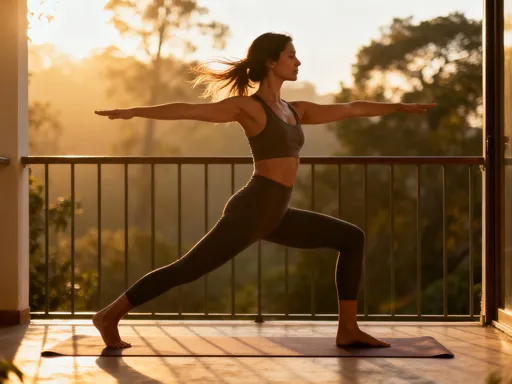
Why I Swear by Qigong for Daily Wellness — Simple Moves, Real Results
For years, I struggled with low energy and constant stress, no matter how much I slept. Then I discovered qigong — a gentle, centuries-old Chinese practice that changed everything. It’s not about intense workouts or quick fixes. It’s about aligning breath, movement, and mindfulness. I started with just five minutes a day, and within weeks, I felt calmer, stronger, and more centered. This is why I keep coming back to it — and why you might want to try it too.
The Burnout Breakthrough: Why Modern Life Needs Ancient Movement
Modern life moves fast. Responsibilities pile up. Screens demand attention. Even with healthy diets and regular exercise, many women in their 30s, 40s, and 50s report feeling emotionally drained, physically sluggish, and mentally scattered. This state of persistent fatigue isn’t just about being busy — it’s a sign of nervous system overload. The body remains stuck in a low-grade 'fight-or-flight' mode, driven by chronic stress hormones like cortisol. Over time, this imbalance weakens immunity, disrupts sleep, and dulls mental clarity.
Enter qigong, a practice rooted in traditional Chinese medicine that has quietly supported wellness for over 4,000 years. Unlike high-intensity interval training or endurance workouts that further tax an already strained system, qigong works differently. It does not challenge the body through exertion. Instead, it invites the body into restoration through slow, rhythmic motion synchronized with deep breathing and mental focus. This trifecta — breath, movement, awareness — signals safety to the nervous system, encouraging a shift into the 'rest-and-digest' state governed by the parasympathetic nervous system.
Scientific studies support this effect. Research published in the Journal of Psychosomatic Research has shown that regular qigong practice can significantly reduce cortisol levels, the hormone most associated with stress. Another study in the American Journal of Health Promotion found improvements in heart rate variability — a key marker of autonomic nervous system balance — among adults who practiced qigong for eight weeks. These findings suggest that qigong isn’t just calming in feeling; it produces measurable physiological shifts.
What makes qigong especially valuable today is its accessibility. You don’t need fitness experience, special clothing, or a gym membership. All it asks is a few quiet minutes and willingness to slow down. In a world that glorifies busyness, choosing stillness becomes an act of resistance — and healing. For women juggling family, work, and personal well-being, qigong offers a way to replenish energy without adding another item to the to-do list. It meets you where you are, honors your pace, and supports long-term resilience.
What Exactly Is Qigong? (And No, It’s Not Just “Slow Tai Chi”)
Qigong (pronounced 'chee-gong') is often mistaken for a slower version of tai chi or mistaken as gentle stretching. While related, qigong stands on its own as a comprehensive system of health cultivation. The word combines 'qi,' meaning vital life energy, and 'gong,' meaning skill or practice developed over time. Together, qigong translates to 'cultivating life energy through disciplined practice.' But rather than treating this concept as mystical, modern science offers relatable explanations rooted in physiology.
At its core, qigong integrates three essential elements: regulated breathing, intentional movement, and mindful attention. These components work together to enhance blood circulation, oxygenate tissues, and activate the vagus nerve — a key pathway in calming the nervous system. While traditional teachings speak of energy flowing through meridians, contemporary understanding links these ideas to observable processes like improved lymphatic flow, reduced muscle tension, and better neuromuscular coordination.
There are thousands of qigong forms, ranging from dynamic sequences to seated meditations. Some are used in clinical settings for rehabilitation, while others support emotional balance or spiritual growth. For everyday wellness, medical and wellness qigong are most relevant. These forms focus on prevention, vitality, and symptom management — not performance or competition. They are designed to be simple, repeatable, and adaptable to individual needs.
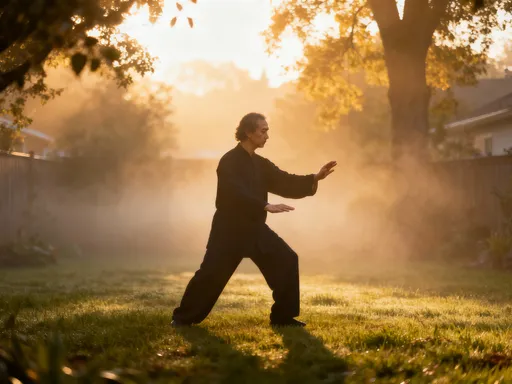
Unlike tai chi, which follows choreographed martial sequences, qigong often emphasizes repetition of small movements or sustained postures. A single exercise, such as 'lifting the sky,' may be repeated several times with attention to breath and alignment. This repetition isn’t monotonous — it’s meditative. It trains the mind to stay present while gently engaging the body. Over time, this builds what researchers call 'interoceptive awareness' — the ability to sense internal bodily states — a skill strongly linked to emotional regulation and overall well-being.
My First Week: From Skeptic to Believer in 7 Days
I’ll admit, I was doubtful at first. The idea of standing quietly and breathing deeply seemed too simple to make a difference. My previous attempts at meditation had ended in frustration. I’d fidget, check the clock, or get caught in mental loops about dinner plans or unfinished emails. So when a friend suggested qigong, I approached it with low expectations. I committed to just five minutes each morning, using an online video designed for beginners.
Day one felt awkward. My arms felt stiff as I raised them slowly overhead, imagining lifting an invisible ball of energy. I wasn’t sure if I was doing it 'right.' But I focused on inhaling as my hands rose and exhaling as they lowered. By the end, my shoulders were slightly looser, and I noticed I had stopped clenching my jaw.
By day three, something shifted. I didn’t feel dramatically different, but my posture felt more natural. The stiffness between my shoulder blades began to ease. I caught myself taking deeper breaths during the day — not because I was trying, but because my body remembered the rhythm of the morning practice.
Day five brought a clearer mind. The usual morning fog — that sluggish, half-awake state — lifted faster. I wasn’t more energetic, but I was more alert. I also noticed fewer afternoon crashes. Instead of reaching for coffee at 3 p.m., I found myself pausing to stretch or take a few conscious breaths, a habit I hadn’t had before.
By the end of the week, I wasn’t chasing results. I was simply showing up. The practice became less about fixing something and more about connecting — with my breath, my body, and the moment. I didn’t need dramatic changes to believe in its value. The small, consistent improvements — better sleep, calmer reactions, less physical tension — added up. Most importantly, I didn’t feel overwhelmed. Five minutes was manageable, even on chaotic mornings. This micro-practice had quietly woven itself into my routine without resistance.
Building Your 10-Minute Daily Routine: A Beginner’s Blueprint
One of the greatest strengths of qigong is its adaptability. You don’t need hours, special equipment, or a quiet retreat to benefit. A sustainable daily practice can fit into the small spaces of your life — before breakfast, during a lunch break, or after putting the kids to bed. The key is consistency, not duration. Starting with just 10 minutes a day creates a foundation that can grow naturally over time.
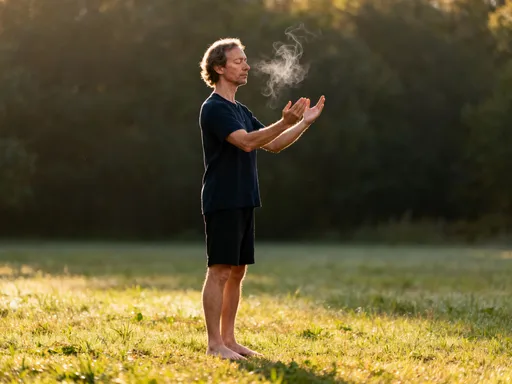
A well-structured beginner’s routine includes three phases: centering, gentle movement, and stillness. Begin with two minutes of standing meditation. Stand with feet shoulder-width apart, knees slightly bent, spine tall. Close your eyes or soften your gaze. Breathe slowly and deeply into your lower abdomen. This simple act signals safety to the nervous system and prepares the body for practice.
Next, spend five minutes on gentle warm-ups. Try 'lifting the sky': inhale as you slowly raise your arms in front of you and overhead, palms up; exhale as you lower them back down, palms facing earth. Repeat five to eight times. This movement stretches the chest and shoulders, improves circulation, and encourages full diaphragmatic breathing. Another effective exercise is 'swaying the tree': shift your weight gently from side to side, allowing your arms to swing loosely. This loosens the hips and spine while promoting balance and coordination.
Finish with three minutes of stillness. Return to your standing meditation posture. Let your breath settle into a natural rhythm. Notice the sensations in your body — warmth, lightness, subtle energy flow. There’s no need to 'achieve' anything. Simply be present. This closing phase integrates the benefits of the practice and deepens relaxation.
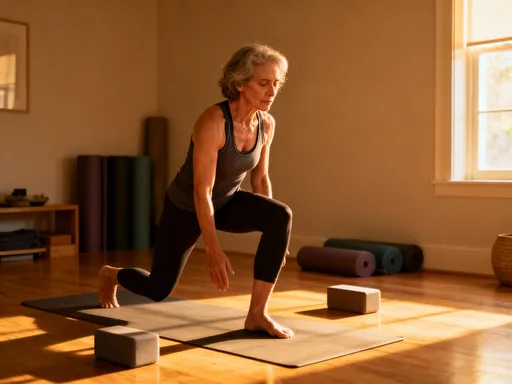
These movements can be modified for different mobility levels. If standing is difficult, perform the exercises seated in a sturdy chair. If raising arms overhead is uncomfortable, lift them only as high as feels safe. The goal isn’t perfection — it’s presence. Practice at a time that suits your rhythm. Many find mornings ideal for setting a calm tone, while others prefer evenings to unwind. Pairing qigong with an existing habit — like after brushing your teeth or before brewing coffee — increases the likelihood of consistency.
Beyond Flexibility: The Hidden Health Perks Backed by Science
Qigong may appear gentle, but its effects are far-reaching. While improved flexibility and balance are visible benefits, research reveals deeper physiological changes. Multiple peer-reviewed studies have documented its positive impact on blood pressure, anxiety, sleep quality, and immune function. These are not anecdotal claims — they are measurable outcomes supported by clinical data.
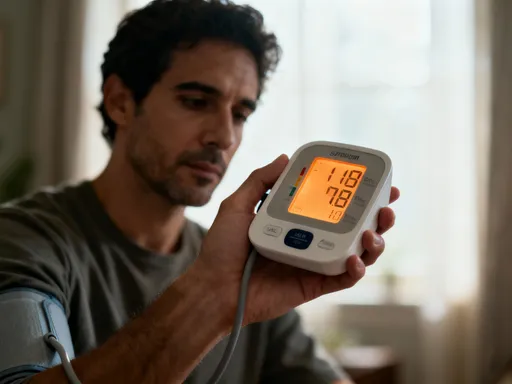
A 2022 meta-analysis published in Frontiers in Physiology reviewed 23 randomized controlled trials involving over 2,000 participants. It concluded that regular qigong practice significantly reduced systolic and diastolic blood pressure, particularly in individuals with mild to moderate hypertension. The effect was comparable to that of moderate aerobic exercise, but without the physical strain — making it ideal for those with joint issues or low fitness levels.
Another study in the Journal of Clinical Psychology found that eight weeks of qigong reduced symptoms of anxiety and depression. Participants reported feeling calmer, more focused, and less emotionally reactive. Brain imaging studies suggest this may be due to increased activity in the prefrontal cortex — the area responsible for executive function and emotional regulation — and decreased activity in the amygdala, the brain’s fear center.
Qigong also influences the body at a cellular level. Research from Harvard Medical School indicates that mind-body practices like qigong can reduce markers of inflammation, such as C-reactive protein. Chronic inflammation is linked to numerous health conditions, including heart disease, diabetes, and autoimmune disorders. By lowering inflammatory markers, qigong supports long-term disease prevention.
Perhaps most fascinating is emerging evidence on gene expression. A study from the University of California, Los Angeles, found that regular meditation and mindful movement practices, including qigong, were associated with changes in the expression of genes related to stress response and immune function. In other words, qigong doesn’t just change how you feel — it may influence how your body functions at a molecular level. These findings underscore that qigong is not a placebo effect. It is a legitimate wellness tool grounded in science.
Common Mistakes (And How to Avoid Them Without a Master)
Starting qigong is simple, but common missteps can discourage beginners. One of the most frequent errors is expecting immediate results. Because qigong is subtle, changes happen gradually. Unlike a high-intensity workout that leaves you sweating and energized, qigong’s benefits often emerge in quiet ways — better sleep, fewer headaches, improved mood. Impatience can lead to early abandonment, so it’s important to adjust expectations. Think of qigong as compound interest for the body: small, consistent inputs yield significant returns over time.
Another mistake is rushing through movements. Some try to complete the sequence quickly, missing the essence of mindful pacing. Qigong is not about how many repetitions you do, but how present you are during each one. Slowing down allows your nervous system to respond and your muscles to release tension. If you catch yourself hurrying, pause and reset. Focus on matching your breath to your motion — one breath per movement is ideal.
Holding tension is another issue. Even in gentle practice, people may unconsciously tighten their jaw, shoulders, or hands. This defeats the purpose of relaxation. Periodically scan your body during practice. Are your teeth unclenched? Are your shoulders away from your ears? Are your fingers soft? Small adjustments make a big difference.
For those without access to an instructor, using a mirror can help with alignment. Recording short practice sessions on a phone allows for self-review. However, avoid becoming overly critical. The goal is progress, not perfection. If you have a medical condition — such as severe osteoporosis, recent surgery, or cardiovascular issues — consult your healthcare provider before beginning. While qigong is generally safe, individual needs vary. Modifications exist for nearly every movement, ensuring that almost anyone can participate safely.
Making It Stick: How to Weave Qigong Into Real Life
The real challenge isn’t learning qigong — it’s maintaining it. Life gets busy. Motivation fades. Old habits return. But sustainability doesn’t rely on willpower alone. Behavioral science shows that habits stick when they are easy, integrated, and meaningful. Qigong excels in all three areas when approached intentionally.
One effective strategy is habit stacking — linking a new behavior to an existing one. For example, practice your 10-minute routine right after brushing your teeth in the morning or before turning off the lights at night. This creates a natural cue, reducing the mental effort needed to start. Another approach is environment design. Keep a pair of comfortable shoes or a mat in a visible spot as a visual reminder. Even placing your phone on airplane mode during practice can minimize distractions.
For busy parents, consider practicing during quiet moments — while waiting for a child’s activity to start, during a coffee break, or after putting dinner in the oven. Remote workers can use it as a midday reset between meetings. Retirees may find it a grounding start to the day. The practice adapts to your life, not the other way around.
Tracking progress can help, but avoid obsession. Instead of measuring minutes or repetitions, notice how you feel. Are you sleeping better? Is your breathing deeper? Are you less reactive in stressful moments? These qualitative shifts matter more than numbers. Journaling briefly once a week can reinforce awareness.
Ultimately, qigong is more than a routine — it’s a daily act of self-respect. In a culture that often equates worth with productivity, taking time to breathe and move mindfully is revolutionary. It says, 'I matter. My well-being matters.' Over time, this practice becomes less about fixing what’s wrong and more about honoring what’s already there — your body’s innate wisdom, your capacity for calm, your right to peace.
A Practice for the Long Haul
Qigong isn’t flashy, and it won’t go viral overnight. There are no dramatic transformations, no before-and-after photos. Its power lies in consistency, not intensity. Over months and years, it reshapes your relationship with your body and mind. It won’t erase life’s challenges — deadlines, family demands, health concerns — but it can change how you meet them. You may still face stress, but you’ll respond with greater calm. You may still feel tired, but you’ll recover faster. You may still have hard days, but you’ll carry them differently.
After more than a year of daily practice, I no longer see qigong as exercise. I see it as homecoming — a return to myself, breath by breath, movement by movement. It has taught me to listen, to slow down, to trust the quiet strength within. If you’re looking for a sustainable, science-supported way to feel more alive, more centered, more like yourself, qigong might be exactly what you’ve been missing. It doesn’t ask for much. Just ten minutes. Just one breath at a time. And in that simplicity, there is profound transformation.