How Yoga Meditation Changed My Life — A Science-Backed Wellness Shift
I used to think yoga meditation was just stretching and quiet breathing—until I tried it for myself. Over time, I noticed real changes: better sleep, less stress, and a calmer mind. Curious, I dug into the science behind it and discovered how deeply it affects brain function, hormone balance, and overall well-being. This isn’t about miracles—it’s about biology. Here’s how combining ancient practices with modern understanding can quietly transform your daily life.
The Burnout Breakthrough: Why I Turned to Yoga Meditation
For years, I managed a busy household, held down a full-time job, and tried to stay physically active. On paper, my life looked balanced. I ate mostly whole foods, walked regularly, and avoided smoking and excessive alcohol. Yet, I was exhausted—mentally drained and emotionally frayed. I’d wake up tired, rely on coffee to get through the morning, and feel anxious even during quiet moments. Sleep was restless, and small setbacks would leave me overwhelmed. Despite doing what I thought was 'right,' I wasn’t thriving.
My breaking point came during a routine check-up. My blood pressure was slightly elevated, and my doctor noted signs of chronic stress. Instead of prescribing medication, she asked about my mental well-being and suggested I consider mind-body practices. I was skeptical. The word 'meditation' conjured images of people sitting cross-legged for hours, chanting mantras I didn’t understand. Yoga, to me, was something flexible people did in expensive studios. I didn’t see myself fitting in.
But I was willing to try anything. My doctor explained that yoga meditation wasn’t about perfection or spirituality—it was a tool for nervous system regulation. She emphasized that even short, consistent practices could yield measurable benefits. That shifted my perspective. I wasn’t being asked to become someone else; I was being invited to care for myself in a new way. I started with just five minutes a day, using a free online video from a reputable wellness platform. That small step opened the door to a profound shift.
Mind Meets Body: The Science Behind Yoga Meditation
What I didn’t realize at first was that yoga meditation works on a biological level. It’s not merely relaxation—it’s a form of active self-regulation that influences the autonomic nervous system. Specifically, it activates the parasympathetic nervous system, often called the 'rest and digest' mode. This counters the 'fight or flight' response driven by chronic stress, which, when constantly engaged, can contribute to high blood pressure, weakened immunity, and poor sleep.
Scientific studies have shown that regular yoga meditation lowers cortisol, the primary stress hormone. One meta-analysis published in the journal Frontiers in Immunology found that mind-body practices, including yoga and meditation, are associated with reduced inflammatory markers and improved immune function. Another study from Harvard Medical School demonstrated that participants who practiced mindfulness meditation for eight weeks showed increased gray matter density in brain regions linked to memory, emotional regulation, and self-awareness.
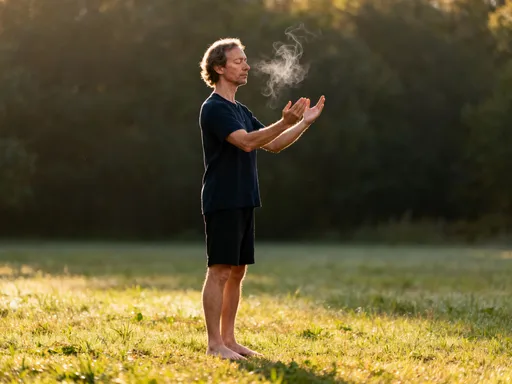
Heart rate variability (HRV), a measure of the body’s ability to adapt to stress, also improves with consistent practice. Higher HRV is linked to better cardiovascular health and emotional resilience. The breathwork component of yoga meditation—known as pranayama—plays a key role. Slow, controlled breathing sends signals to the brainstem that it’s safe to relax, which calms the amygdala, the brain’s fear center, and enhances activity in the prefrontal cortex, responsible for decision-making and focus.
These aren’t abstract concepts. They translate into real-life benefits: fewer nighttime awakenings, less reactivity to daily frustrations, and a greater sense of mental clarity. The science confirms what many practitioners report—an inner shift that goes beyond temporary calm. It’s a rewiring of how the brain and body respond to life’s demands.
Beyond Flexibility: What Yoga Meditation Actually Is (And Isn’t)
One of the biggest misconceptions about yoga meditation is that it’s either purely physical or deeply spiritual. In reality, it’s neither exclusively one nor the other. It’s a coordinated practice that integrates gentle movement, conscious breathing, and mindful awareness. You don’t need to be flexible, wear special clothes, or believe in any particular philosophy to benefit. The essence lies in attention—not perfection.
Unlike passive relaxation—such as watching TV or napping—yoga meditation is an active form of self-regulation. It trains the mind to observe thoughts without reacting, to stay present with sensations, and to return to the breath when distracted. This builds what neuroscientists call 'interoceptive awareness'—the ability to sense and respond to internal bodily signals. Over time, this skill extends beyond the mat and into daily life, helping individuals recognize stress early and respond with intention rather than impulse.
Another common myth is that you need to meditate for long periods to see results. Research suggests otherwise. A study from Carnegie Mellon University found that just 13 minutes of daily meditation over eight weeks led to significant improvements in attention, memory, and emotional regulation. The key isn’t duration but consistency. Short, regular sessions are more effective than occasional long ones. This was reassuring for me, as a busy adult with limited time. I realized I didn’t need to carve out an hour; I needed to show up, even briefly, with intention.
Yoga meditation is also not about emptying the mind. That’s an impossible standard that leads to frustration. Instead, it’s about noticing when the mind wanders and gently guiding it back. Each time you do this, you strengthen neural pathways associated with focus and emotional control. It’s like a mental workout—subtle but cumulative. The practice meets you where you are, not where you think you should be.
My Routine: Simple Steps That Actually Fit Into Real Life
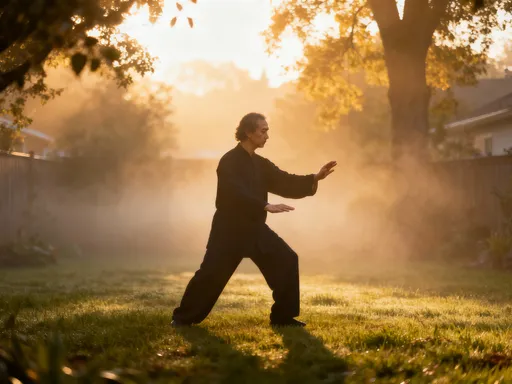
When I began, I kept it simple. I dedicated 15 minutes each morning to a routine that included breathwork, gentle yoga poses (asanas), and seated stillness. I started with diaphragmatic breathing—inhaling deeply through the nose, expanding the belly, and exhaling slowly. This alone helped shift my nervous system from alert to calm before the day even began.
Next, I moved through a short sequence of gentle stretches: cat-cow, child’s pose, seated forward bend, and a few minutes of mindful standing. These weren’t athletic feats; they were movements designed to release tension and increase body awareness. I used a basic yoga mat and a timer on my phone. Occasionally, I followed guided sessions from well-known apps developed by certified instructors, which helped me stay focused in the early weeks.
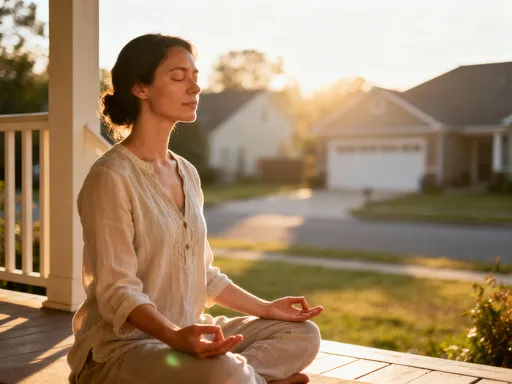
The hardest part was sitting still afterward. My mind raced with to-do lists and worries. I’d last a minute before giving up. But I learned that this is normal. The goal wasn’t to stop thinking but to practice returning to the breath. I used a simple anchor: counting breaths up to ten, then starting over. When I lost count, I began again—without judgment.
To track progress, I kept a small journal. I didn’t write essays—just a few words each day: 'calmer,' 'distracted,' 'restless,' 'focused.' Over time, I noticed more 'calmer' days. My sleep improved; I fell asleep faster and woke less often. I didn’t need as much coffee. These small shifts added up. The routine became less of a chore and more of a gift I gave myself each morning.
Lifestyle Shifts Backed by Evidence
The benefits of yoga meditation didn’t stay confined to my morning practice. They spilled into other areas of my life. At work, I found I could concentrate better during meetings and respond to emails without feeling rushed. I was less reactive to criticism and more able to pause before speaking. Colleagues noticed I seemed 'more present.' These changes weren’t dramatic, but they were consistent.
Indirectly, my habits began to shift. I craved less sugar and processed food. I started eating more slowly, paying attention to taste and fullness cues. I also became more aware of my posture and took short breaks to stretch during long work sessions. These weren’t strict rules—they emerged naturally from a growing sense of self-awareness.
Research supports these observations. A study in the Journal of Behavioral Medicine found that mindfulness training is linked to healthier eating patterns and reduced emotional eating. Another study from the University of California showed that regular meditators made more thoughtful decisions under pressure, likely due to increased prefrontal cortex activity. This aligns with what I experienced: a greater sense of agency in daily choices, from what I ate to how I responded to stress.
Perhaps most surprisingly, I noticed fewer colds and minor infections over the year. While correlation isn’t causation, science suggests a connection. Chronic stress suppresses immune function, and mind-body practices help reverse that. A review in Psychosomatic Medicine concluded that meditation is associated with improved immune response, including higher antibody production after vaccination. Knowing this gave me confidence that I wasn’t just feeling better—I was becoming biologically more resilient.
Common Challenges — And How to Work Through Them
Like anyone starting a new habit, I faced obstacles. The most common was restlessness. Sitting still felt uncomfortable, both physically and mentally. My legs would tingle, my mind would race, and I’d wonder if I was 'doing it right.' I learned that discomfort is part of the process. The practice isn’t about achieving a perfect state but learning to be with what is—whether it’s boredom, impatience, or physical tension.
Time was another challenge. There were days when 15 minutes felt impossible. On those mornings, I adjusted. Sometimes I did just five minutes of breathing. Other times, I practiced mindfulness while walking to the mailbox or washing dishes. The key was maintaining continuity, not perfection. I reminded myself that even a brief pause with awareness counts.
Unrealistic expectations were a silent barrier. I once expected immediate results—less anxiety, instant clarity. When that didn’t happen, I felt discouraged. But science shows that changes in the brain take time. Neuroplasticity, the brain’s ability to reorganize itself, requires repetition. It’s like building muscle: progress is gradual. Letting go of 'quick fix' thinking helped me stay committed.
To stay consistent, I used anchor habits. I linked my practice to brushing my teeth—right after, no debate. I also practiced self-compassion. If I missed a day, I didn’t berate myself. I simply began again the next morning. This gentle approach made the habit sustainable. Over time, the practice became less about discipline and more about care.
From Practice to Lifestyle: Building a Sustainable Wellness Habit
After several months, something shifted. Yoga meditation stopped being something I 'did' and started being how I was. I found myself pausing before reacting—when the kids were loud, when plans changed, when I felt overwhelmed. These moments of awareness didn’t eliminate stress, but they created space to choose my response. I became less reactive and more responsive.
I began integrating mindfulness into everyday activities. Walking became a moving meditation—I noticed the rhythm of my steps, the air on my skin. Eating became more intentional—I savored flavors and recognized fullness earlier. Even listening improved; I found myself truly hearing others instead of planning my reply. These small acts of presence added up to a calmer, more connected life.
The long-term payoff has been profound. I sleep more deeply. My mood is more stable. I handle setbacks with greater ease. I don’t claim to be stress-free—life still brings challenges—but my capacity to navigate them has grown. The mental clarity I once craved is now a regular part of my days. I feel more grounded, more in control, not because life is easier, but because my inner landscape has changed.
What I’ve learned is that yoga meditation is not a trend or a luxury. It’s a practical, science-backed approach to well-being that fits into real life. It bridges ancient wisdom and modern understanding, offering a path to better mental and physical health without drastic changes. When practiced consistently, it becomes less of a routine and more of a way of being—calmer, clearer, and more aligned with what truly matters.