How I Found Calm and Strength Through Qigong as a Total Beginner
I used to think qigong was just slow movements for older people—until chronic back pain and stress pushed me to try it. As a complete beginner, I was skeptical, but within weeks, I noticed real changes: better sleep, less tension, and more energy. This isn’t a cure-all, but it became a quiet force in my recovery journey. If you're struggling with fatigue or healing from strain, this simple practice might be worth exploring—safely and gently, alongside professional care.
The Breaking Point: When I Realized I Needed Change
For years, life moved at a pace I could barely keep up with. Juggling family responsibilities, household duties, and part-time work left little time for rest. What started as occasional fatigue turned into a constant weight on my shoulders—both physically and emotionally. I found myself waking up stiff, moving slowly through the morning, and relying on over-the-counter pain relievers just to get through the day. My lower back ached with almost every movement, and tension headaches became a regular companion by mid-afternoon. I tried stretching, hot baths, even changing my mattress, but nothing brought lasting relief.
Doctors recommended physical therapy and advised me to reduce stress, but I didn’t know where to start. Medications offered temporary comfort, but I wanted something that addressed the root of the problem without side effects. I felt stuck—caught between the demands of daily life and my body’s growing need for healing. It was during one particularly rough week, when even folding laundry caused sharp pain, that I decided to look beyond conventional solutions. A friend mentioned qigong, describing it as a gentle practice that helped her recover from a similar strain. Skeptical but desperate, I began searching for more information, not expecting it to change anything—let alone become part of my daily rhythm.
What surprised me most was how accessible it seemed. Unlike high-intensity workouts or complex fitness routines, qigong didn’t require special equipment, a gym membership, or perfect health to begin. It was designed for people exactly like me—those healing, tired, and searching for balance. That realization was the first step toward giving myself permission to slow down, to prioritize healing over productivity, and to consider that sometimes, the most powerful changes come not from pushing harder, but from moving with intention.
What Is Qigong? Demystifying the Practice for Newcomers
At its core, qigong (pronounced “chee-gong”) is a mind-body practice that combines slow, deliberate movements with coordinated breathing and mental focus. Rooted in traditional Chinese medicine, it has been used for centuries to support health, vitality, and emotional balance. But despite its ancient origins, qigong is not a mystical or religious ritual. It’s a practical system that anyone can learn, regardless of age, fitness level, or physical condition. Think of it as a form of moving meditation—one that nurtures the body while calming the mind.
The word “qigong” itself comes from two parts: “qi,” meaning vital energy or life force, and “gong,” meaning cultivation or practice. So, qigong translates to “cultivating energy.” But you don’t need to believe in energy fields to benefit from it. Modern science understands its effects through measurable outcomes—improved circulation, reduced muscle tension, and better nervous system regulation. The movements are gentle, often involving swaying, lifting the arms, or shifting weight from one foot to the other. Each motion is paired with deep, rhythmic breathing, helping to synchronize body and breath in a way that promotes relaxation and awareness.
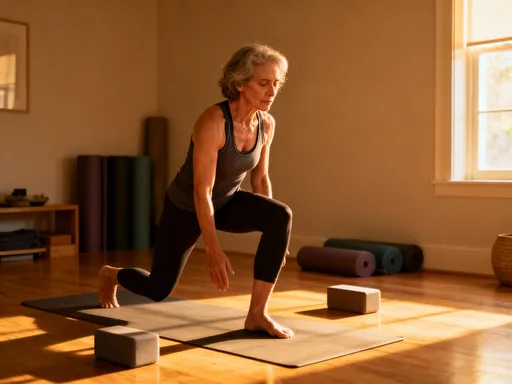
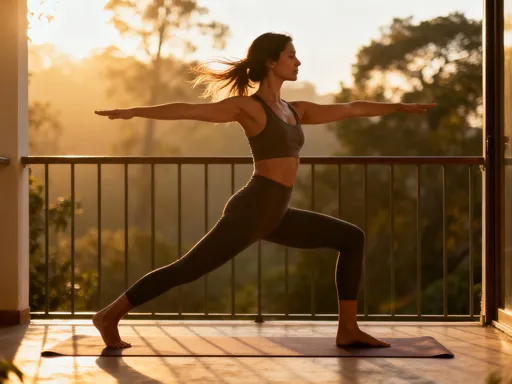
Some people confuse qigong with tai chi or yoga, but there are important distinctions. Tai chi is a martial art that evolved from qigong and often involves longer, more complex sequences. Yoga, while also mind-body focused, typically emphasizes flexibility, strength, and holding poses. Qigong, by contrast, prioritizes ease and flow. You don’t need to touch your toes or balance on one leg. You can practice standing, sitting, or even lying down if needed. This makes it especially suitable for those recovering from injury, managing chronic pain, or simply looking for a low-impact way to stay active.
One of the most empowering aspects of qigong is its accessibility. You don’t need special clothing, a mat, or a quiet room—though those can help. All you need is a few minutes and the willingness to tune in. There’s no competition, no performance, and no expectation to do it perfectly. In fact, the practice encourages you to move at your own pace, to honor your body’s limits, and to focus on how you feel rather than how you look. For someone who had spent years feeling like she wasn’t doing enough, this was a radical shift—one that slowly began to reshape not just my body, but my relationship with myself.
Why Qigong Works: The Science Behind the Stillness
At first glance, qigong may seem too simple to make a real difference. How can slow arm lifts and gentle breathing reduce pain or improve energy? But research in neuroscience and physiology offers compelling explanations. One of the key mechanisms is its effect on the autonomic nervous system—the part of the body that controls involuntary functions like heart rate, digestion, and stress response. When we’re under chronic stress, this system stays stuck in “fight-or-flight” mode, leading to muscle tension, poor sleep, and fatigue. Qigong helps activate the parasympathetic nervous system, which is responsible for “rest-and-digest” functions, allowing the body to recover and repair.
Studies have shown that regular qigong practice can lower levels of cortisol, the primary stress hormone. A 2013 review published in the journal *Evidence-Based Complementary and Alternative Medicine* analyzed multiple clinical trials and found consistent improvements in stress, anxiety, and mood among participants who practiced qigong. Another study from the University of Illinois demonstrated that just eight weeks of qigong training improved balance and reduced fall risk in older adults—important for anyone concerned about stability or recovering from injury. While these findings don’t claim to “cure” conditions, they highlight qigong’s role as a supportive therapy that enhances overall well-being.
For people dealing with chronic pain, the benefits are equally promising. A 2020 study in *Pain Medicine* reported that patients with lower back pain who added qigong to their routine experienced greater pain reduction and functional improvement compared to those who only received standard care. Researchers believe this is due to a combination of factors: improved blood flow to strained muscles, reduced inflammation, and increased body awareness, which helps people recognize and correct harmful movement patterns. Unlike high-impact exercise, which can sometimes aggravate existing conditions, qigong supports healing by encouraging gentle, controlled motion.
Additionally, the mental focus required in qigong strengthens the mind-body connection. Over time, practitioners often report greater emotional regulation, improved concentration, and a sense of inner calm. Brain imaging studies suggest that mindfulness-based practices like qigong can increase gray matter density in areas associated with attention and emotional control. This doesn’t mean qigong replaces medical treatment—it doesn’t. But it does mean that when used alongside professional care, it can amplify the body’s natural ability to heal. For someone like me, who had tried so many things without lasting results, this combination of tradition and science made qigong feel not just safe, but sensible.
My First Moves: Starting Simple Without Overwhelm
When I first tried qigong, I expected to learn a long sequence of complicated movements. I was relieved to discover that beginners often start with just three core exercises, each lasting only a few minutes. The first is called “Lifting the Sky.” It involves slowly raising the arms in front of the body, then overhead, as if gently lifting an invisible weight, and lowering them back down with control. The movement is paired with deep breathing: inhaling as the arms rise, exhaling as they fall. At first, I focused so much on getting the motion right that I forgot to breathe. But over time, the rhythm became natural, and I began to feel a subtle warmth in my shoulders and spine.
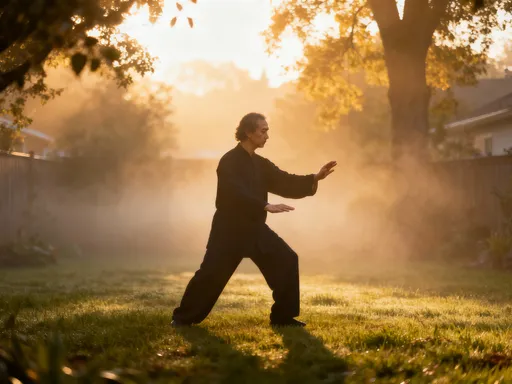
The second exercise, “Pushing the Wave,” mimics the motion of pushing water away from the body. Standing with feet shoulder-width apart, I would slowly extend my arms forward, palms facing out, then draw them back toward my torso as if gathering energy. This movement engages the chest, shoulders, and upper back—areas where I carried most of my tension. What surprised me was how much sensation I could feel with such minimal effort. Even small movements, when done with awareness, seemed to “wake up” parts of my body that had felt numb for years.
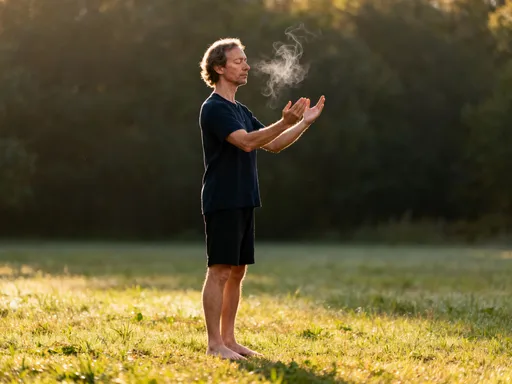
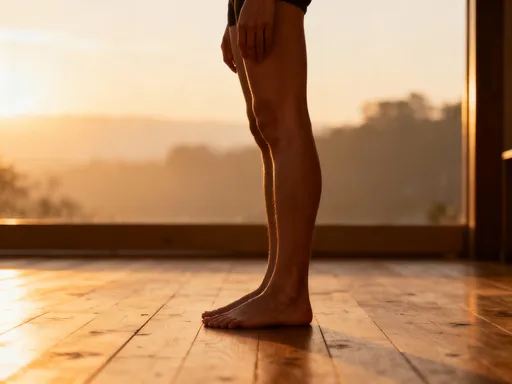
The third practice was the simplest: standing meditation. I would stand quietly, knees slightly bent, arms relaxed at my sides, focusing on my breath and the feeling of my feet on the ground. No movement, no goal—just presence. At first, I found it almost boring. My mind wandered, and I worried I was “doing it wrong.” But my instructor reminded me that stillness is also a skill, one that improves with practice. Over time, those quiet minutes became a refuge—a rare space where I wasn’t solving problems or checking tasks off a list.
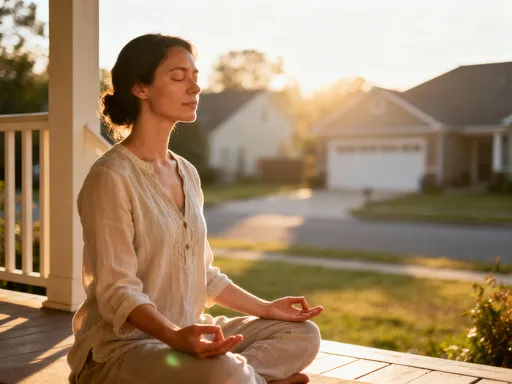
I started with just ten minutes a day, usually in the morning before the house woke up. I followed free instructional videos from reputable sources, making sure the instructors were certified in medical or therapeutic qigong. I didn’t push myself to do more; consistency mattered more than duration. And while progress wasn’t dramatic at first, I began to notice small shifts—less stiffness when I stood up, a deeper breath when I exhaled, a slight lightness in my chest. The key, I learned, was patience. Qigong isn’t about achieving perfection. It’s about showing up, moving gently, and listening to what your body tells you.
Noticing Shifts: Small Wins That Added Up
The changes didn’t happen overnight, but after about four weeks, I began to recognize subtle improvements. One morning, I bent down to tie my shoe and realized I didn’t need to brace myself against the counter. Another day, I walked up a flight of stairs without that familiar ache in my lower back. These may seem like small victories, but after months of discomfort, they felt like breakthroughs. My sleep also improved. I used to wake up multiple times a night, restless and tense. Now, I was sleeping more soundly, often through the entire night. I didn’t connect it to qigong at first—until I missed a few days and noticed the difference.
Tension headaches, which used to plague me two or three times a week, became less frequent and less intense. I started paying attention to my posture throughout the day, catching myself slouching and gently correcting it—something I hadn’t even realized I needed to do. My breathing became deeper and more natural, especially during stressful moments. Instead of holding my breath when I was overwhelmed, I found myself taking slow, intentional inhales and exhales, a habit I had developed through practice.
Perhaps the most unexpected change was emotional. I didn’t feel as reactive to daily frustrations. When the kids argued or plans fell through, I noticed a new space between the trigger and my response. I wasn’t immune to stress, but I handled it with more calm. My husband even commented that I seemed “lighter,” not just physically but in spirit. These weren’t dramatic transformations, but a series of quiet shifts that, over time, added up to a new sense of well-being. I wasn’t chasing energy anymore—energy was returning on its own, supported by a body that was finally beginning to rest and repair.
How to Start Safely: Tips from My Trial-and-Error Journey
Looking back, I made a few mistakes in the beginning. At first, I tried to do too much, pushing through mild discomfort in the hope of faster results. I learned the hard way that qigong isn’t about intensity—it’s about awareness. Pain is a signal, not a challenge to overcome. Now, I always listen to my body and stop if anything feels sharp or strained. I also recommend starting under the guidance of a certified instructor, especially if you’re recovering from injury or managing a chronic condition. Not all qigong styles are the same; medical or therapeutic qigong is specifically designed for health support and is often taught in hospitals or rehabilitation centers.
If in-person classes aren’t available, there are high-quality online resources from trusted organizations and licensed practitioners. I suggest avoiding random videos without credentials and sticking to programs that emphasize safety, alignment, and gradual progression. Always consult your healthcare provider before starting any new practice, particularly if you have a medical history. Qigong is gentle, but it’s still a form of movement, and your doctor should be part of the process.
Another important tip: start small. Even five to ten minutes a day can make a difference. Choose a consistent time—morning, after work, or before bed—and treat it as non-negotiable self-care. Wear comfortable clothing and stand on a flat surface. If standing is difficult, seated qigong is equally effective. The goal isn’t to perfect the movements but to cultivate presence and connection. Over time, the practice becomes less about technique and more about feeling—feeling your breath, your body, and your inner state. And remember, progress isn’t linear. Some days will feel easier than others, and that’s okay. What matters is showing up, with kindness and patience, day after day.
Beyond the Body: The Unexpected Mental Clarity That Stayed
What I didn’t expect was how much qigong would affect my mind. At first, I saw it as a physical remedy—a way to ease pain and regain mobility. But over time, it became a mental sanctuary. The daily ritual of slowing down created space in my life, not just in time, but in thought. I began to notice my habits of rushing, worrying, and multitasking with greater clarity. The practice didn’t erase stress, but it gave me tools to respond differently. Instead of reacting immediately, I could pause, breathe, and choose a calmer path.
This shift in awareness extended beyond my practice sessions. I found myself more present with my family, more patient with myself, and more resilient in the face of challenges. Decision-making felt clearer, and I was less likely to spiral into anxiety over small setbacks. Scientists refer to this as improved executive function—the brain’s ability to regulate emotions, focus attention, and plan effectively. Qigong, by promoting mindfulness and nervous system balance, supports these cognitive functions in a natural, sustainable way.
For me, qigong became more than exercise. It became a form of self-respect—a daily commitment to showing up for myself with gentleness and care. In a world that often values speed and productivity, it was a quiet rebellion to move slowly, to breathe deeply, and to simply be. It didn’t fix everything, but it gave me a foundation. On days when life felt overwhelming, I could return to my breath, to my feet on the ground, and remember that healing isn’t about doing more—it’s about being present, one gentle movement at a time.
Qigong didn’t transform me overnight, but it gave me tools to heal with gentleness and awareness. For anyone recovering or feeling run down, it’s proof that slow can be powerful. Paired with professional care, this ancient practice offers a natural, accessible path to feeling whole again.