How I Turned My Liver Around – Real Talk on Fatty Liver Recovery
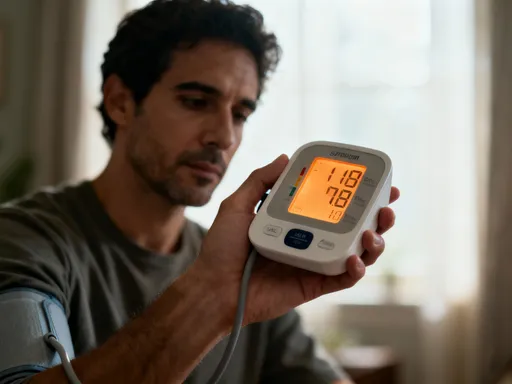
Fatty liver isn’t just a medical term—it’s a wake-up call. I ignored mine for years until fatigue and bloating became impossible to overlook. After working with my doctor and making small but powerful changes, I started seeing real improvements. This isn’t about magic fixes, but consistent, science-backed choices that support liver health and overall body recovery. If you’re looking to feel better from the inside out, here’s what actually helped me.
Understanding Fatty Liver: More Common Than You Think
Fatty liver, specifically non-alcoholic fatty liver disease (NAFLD), occurs when excess fat builds up in liver cells, interfering with its ability to function properly. This condition is not caused by heavy alcohol use, which distinguishes it from alcoholic fatty liver disease. Instead, it’s closely tied to metabolic health, particularly how the body processes fats and manages insulin. The liver plays a central role in metabolism, filtering toxins, producing bile for digestion, and storing energy. When too much fat accumulates—typically more than 5 to 10 percent of the liver’s weight—it can lead to inflammation, scarring, and, in severe cases, cirrhosis or liver failure.
NAFLD is more common than many realize, affecting an estimated 25 percent of adults worldwide. In the United States, studies suggest that nearly one in three adults may have some degree of fatty liver, often without knowing it. The condition is especially prevalent among individuals who are overweight or obese, have type 2 diabetes, or struggle with insulin resistance. Other contributing factors include high triglyceride levels, metabolic syndrome, and sedentary lifestyles. While genetics may play a role, lifestyle choices remain the most significant influence on whether fatty liver develops and progresses.
What makes fatty liver particularly concerning is that it often progresses silently. In its early stages, it may cause no noticeable symptoms, allowing it to go undetected for years. Many people only discover they have it after routine blood tests reveal elevated liver enzymes or an ultrasound shows fat accumulation. Left unmanaged, NAFLD can evolve into non-alcoholic steatohepatitis (NASH), a more aggressive form involving liver inflammation and cell damage. From there, the risk of fibrosis, cirrhosis, and even liver cancer increases significantly. However, there is hope: early-stage fatty liver is often reversible with timely and consistent lifestyle interventions.
The good news is that the liver is a resilient organ with remarkable regenerative capacity. Unlike many other organs, it can repair and replace damaged tissue when given the right conditions. This means that even if fat has begun to build up, making sustainable changes in diet, physical activity, and daily habits can halt and even reverse the process. The key is early awareness and action. Recognizing the risk factors and understanding how daily choices impact liver health empowers individuals to take control before more serious complications arise. Prevention and reversal are possible—not through extreme measures, but through steady, science-supported habits that support long-term wellness.
My Wake-Up Call: When Symptoms Started Adding Up
For years, I dismissed my fatigue as just part of being busy. I chalked up the bloating and occasional discomfort in my upper abdomen to stress or eating too quickly. I told myself that everyone feels sluggish after meals, especially as they get older. But over time, the tiredness became relentless. I would nap after lunch and still feel groggy in the evening. My clothes fit tighter around the waist, even though I hadn’t made any drastic changes to my eating habits. I started to feel a constant low-grade discomfort after meals, as if my body was struggling to process what I was giving it. It wasn’t pain, exactly, but a persistent heaviness that made me feel disconnected from my own energy and vitality.
The turning point came during a routine physical exam. My doctor reviewed my blood work and paused. My liver enzymes—ALT and AST—were elevated, a sign that my liver might be under stress. She recommended an ultrasound, which confirmed what I had hoped wasn’t true: I had fatty liver. Hearing the diagnosis was both alarming and clarifying. On one hand, I felt a wave of worry—had I done lasting damage? Was this the beginning of a serious health decline? On the other hand, there was relief in finally having an explanation. This wasn’t just aging or stress. It was a physical condition with a name, and more importantly, a path forward.
What struck me most was how common this condition has become. I began talking to friends and realized several had received similar diagnoses. Yet, it wasn’t something people discussed openly. There was a sense of quiet shame, as if having a fatty liver meant personal failure or lack of discipline. I wanted to challenge that narrative. Fatty liver isn’t a moral judgment—it’s a reflection of modern lifestyles filled with processed foods, prolonged sitting, and chronic stress. It’s not about willpower; it’s about understanding how our environments and habits shape our health over time. Once I reframed it as a signal rather than a sentence, I felt empowered to act.
My doctor emphasized that early detection was a gift. Because my liver hadn’t progressed to inflammation or scarring, I had a real opportunity to reverse the condition. She didn’t prescribe medication—instead, she outlined a plan focused on diet, movement, and lifestyle adjustments. I left the office with a mix of determination and uncertainty. I knew I needed to change, but I didn’t want to jump into an extreme diet or punishing exercise routine. I wanted changes that were realistic, sustainable, and kind to my body. That mindset—rooted in patience and self-compassion—became the foundation of my recovery journey.
Diet Shifts That Made a Difference—No Extreme Diets Needed
One of the first changes I made was cutting out sugary drinks. I realized I was consuming far more added sugar than I thought, mostly from soda, sweetened iced tea, and flavored coffee beverages. Research consistently shows that fructose, particularly from high-fructose corn syrup, is processed almost entirely by the liver. When consumed in excess, it gets converted into fat, contributing directly to liver fat accumulation. By switching to water, herbal tea, and the occasional sparkling water with a splash of lemon, I eliminated a major source of liver stress. The difference in my energy levels became noticeable within weeks—less afternoon crashes, fewer sugar cravings.
I also reduced my intake of refined carbohydrates. Foods like white bread, pastries, and instant rice break down quickly into glucose, spiking blood sugar and insulin levels. Over time, this contributes to insulin resistance, a key driver of fatty liver. Instead of eliminating carbs altogether, I shifted to whole grains like oats, quinoa, and brown rice, which digest more slowly and provide sustained energy. I increased my intake of non-starchy vegetables—broccoli, spinach, zucchini, and bell peppers—filling half my plate with color and fiber at every meal. Fiber helps regulate blood sugar and supports gut health, both of which are linked to improved liver function.
Lean proteins became a staple in my meals. I incorporated more grilled chicken, baked fish, eggs, and plant-based options like lentils and chickpeas. Protein helps with satiety, reducing the urge to snack on processed foods between meals. I also embraced healthy fats in moderation—avocados, olive oil, nuts, and seeds. Unlike saturated and trans fats, which can worsen liver fat, these fats support cell function and reduce inflammation. I learned to read labels carefully, avoiding hidden sugars in sauces, dressings, and packaged meals. Terms like “cane sugar,” “maltodextrin,” and “fruit juice concentrate” often disguise added sugars, so I became more vigilant about ingredient lists.
Portion control and mindful eating played a crucial role. I stopped eating in front of the TV and started sitting at the table, chewing slowly and paying attention to hunger and fullness cues. This simple shift helped me tune into my body’s signals and avoid overeating. I didn’t follow a strict meal plan or count calories—instead, I focused on building balanced meals that left me satisfied without feeling stuffed. These changes weren’t about deprivation; they were about nourishment. Over time, my digestion improved, bloating decreased, and I began to feel lighter and more energized. The most powerful lesson? Small, consistent choices add up to meaningful change.
Movement as Medicine: Finding Exercise That Fits Real Life
I used to think exercise had to be intense to be effective. I imagined hour-long gym sessions, sweat-drenched workouts, and strict routines I could never stick to. But my doctor explained that even moderate physical activity can significantly reduce liver fat—even without dramatic weight loss. The key is consistency. Movement helps improve insulin sensitivity, allowing the body to use glucose more efficiently and reducing the liver’s burden of processing excess sugar. It also promotes fat burning, including the fat stored in the liver. The goal wasn’t to become an athlete, but to incorporate daily movement that felt manageable and sustainable.
I started with brisk walking. At first, I aimed for just 15 minutes a day, usually after dinner. I didn’t track it obsessively—just laced up my shoes and stepped outside. As it became a habit, I gradually increased to 30 minutes most days. I noticed my energy improving, and the walks became a form of mental reset, helping me unwind from the day. I also began tracking my steps using a simple pedometer. Reaching 7,000 to 8,000 steps a day felt achievable, and I celebrated small milestones without pressure. On days when I couldn’t get outside, I followed short home workout videos—gentle strength training, stretching, or low-impact cardio. The focus was on staying active, not achieving perfection.
What helped me stay consistent was reframing exercise as self-care rather than punishment. I stopped waiting for motivation and built movement into my routine like brushing my teeth—non-negotiable but not overwhelming. I found activities I enjoyed, like gardening, dancing to music while cooking, or taking the stairs instead of the elevator. These small efforts added up over time, contributing to better metabolic health and reduced liver fat. I also learned that even short bursts of activity—three 10-minute walks throughout the day—can be beneficial. The message was clear: it’s not about intensity, it’s about showing up for your body every day.
Staying motivated required self-compassion. There were days when I skipped a walk or felt too tired to move. Instead of guilt, I practiced kindness. I reminded myself that recovery isn’t linear, and one missed day doesn’t erase progress. What mattered was the overall pattern. Over several months, I noticed improvements—not just in how I felt, but in my follow-up blood tests. My liver enzymes had started to decline, a sign that my efforts were making a difference. Movement wasn’t just changing my body; it was restoring my confidence and sense of control.
Sleep, Stress, and Liver Health: The Hidden Connections
As I made changes to my diet and activity level, I began to notice how deeply sleep and stress influenced my overall well-being—and my liver health. I had always treated sleep as something to sacrifice for productivity, often staying up late to finish tasks or scroll through my phone. But research shows that poor sleep disrupts hormone regulation, including insulin and cortisol, both of which play a role in fat storage. Chronic sleep deprivation can increase hunger hormones, lead to poor food choices, and impair the liver’s ability to process fats efficiently. I realized that no amount of healthy eating could fully compensate for consistently poor sleep.
I committed to better sleep hygiene. I set a consistent bedtime and wake-up time, even on weekends. I created a wind-down routine: turning off screens an hour before bed, dimming the lights, and reading a book or practicing gentle stretching. I kept my bedroom cool, dark, and quiet, using earplugs when necessary. These small changes improved the quality of my sleep, and I began waking up feeling more refreshed. Over time, I noticed that my appetite stabilized, and I had fewer cravings for sugary snacks—another win for my liver.
Stress was another hidden factor. I hadn’t realized how much my constant low-grade anxiety was affecting my body. Chronic stress triggers the release of cortisol, a hormone that, in excess, promotes fat storage—especially in the abdominal area and around the liver. It also contributes to insulin resistance, creating a cycle that worsens fatty liver. To manage stress, I incorporated simple daily practices: deep breathing exercises, short mindfulness breaks, and journaling. I didn’t need hours of meditation—just five minutes of focused breathing could shift my nervous system from “fight or flight” to “rest and digest.” I also prioritized activities that brought me joy, whether it was calling a friend, spending time in nature, or listening to calming music.
These changes weren’t about eliminating stress entirely—that’s impossible in modern life—but about building resilience. By improving my sleep and managing stress, I supported my liver’s natural ability to regenerate and function optimally. I began to see my health as a whole system, where diet, movement, rest, and emotional well-being were all interconnected. Healing my liver wasn’t just about what I ate; it was about how I lived. Each small act of care—going to bed on time, taking a deep breath, choosing a nourishing meal—was a step toward reclaiming my vitality.
What Supplements Actually Help? Sorting Facts from Hype
As I researched fatty liver, I came across countless supplements marketed as liver “cleansers” or “detoxifiers.” From miracle pills to exotic herbs, the claims were bold, but the evidence was often weak or nonexistent. I knew the liver doesn’t need a “cleanse”—it’s already designed to filter toxins. What it needs is support through healthy lifestyle choices. Still, I wanted to know if any supplements had real scientific backing. I consulted my doctor before adding anything to my routine, and together we reviewed the research on a few commonly discussed options.
Vitamin E, an antioxidant, has been studied in people with non-alcoholic steatohepatitis (NASH) and has shown some benefit in reducing liver inflammation and fat. However, high doses can carry risks, especially for people with certain health conditions, so it’s not recommended for everyone. Omega-3 fatty acids, found in fish oil, have been shown to lower triglycerides and may help reduce liver fat. I began eating fatty fish like salmon twice a week and considered a supplement after discussing it with my doctor. Milk thistle, containing the active compound silymarin, has been used traditionally to support liver health. Some studies suggest it may have antioxidant and anti-inflammatory effects, but the evidence is mixed, and it’s not a substitute for lifestyle changes.
My doctor emphasized that supplements should never replace a healthy diet or medical treatment. They can play a supportive role, but only when used appropriately and under professional guidance. She also warned me about products making exaggerated claims—like “flushing out toxins” or “reversing liver damage overnight.” These are red flags. The supplement industry is not tightly regulated, and many products contain fillers, incorrect dosages, or undisclosed ingredients. The safest approach is to prioritize whole foods, stay informed, and consult a healthcare provider before starting any new supplement.
In the end, I decided to focus on food first. I got most of my nutrients from a balanced diet rich in vegetables, healthy fats, and lean proteins. I didn’t feel the need to add multiple supplements to my routine. When I did consider one, like a high-quality fish oil, I chose a reputable brand and used it as a complement—not a crutch. The real power was in the daily choices I made, not in a pill. My liver didn’t need a miracle; it needed consistency, nourishment, and time to heal.
Tracking Progress and Staying on Course
Recovery from fatty liver isn’t measured just by numbers on a scale. In fact, some of my most meaningful progress came in ways I hadn’t expected. I had more energy throughout the day. My digestion improved—less bloating, more regularity. I slept better and felt calmer. These non-scale victories were powerful reminders that my body was healing from the inside out. I also scheduled follow-up blood tests every few months to monitor my liver enzymes. Seeing ALT and AST levels gradually decline gave me tangible proof that my efforts were working. My doctor also checked other markers, like fasting blood sugar and triglycerides, which improved as well.
Regular check-ups became a cornerstone of my journey. They provided accountability and allowed me to adjust my plan as needed. I learned that healing is not a straight line. There were moments when I slipped into old habits—eating comfort food during a stressful week or skipping workouts due to a busy schedule. Instead of viewing these as failures, I learned to respond with compassion. I reminded myself that long-term health is built on patterns, not perfection. One indulgent meal or missed walk didn’t erase months of progress. What mattered was returning to my routine with kindness and commitment.
I also found support in community. I joined an online group for people managing fatty liver, where we shared recipes, encouragement, and practical tips. Knowing I wasn’t alone made the journey feel less isolating. I also involved my family, preparing healthier meals that everyone enjoyed. Small changes at home—like keeping fruit on the counter instead of cookies—made healthy choices easier for everyone. I began to see this not as a temporary diet, but as a lasting shift in how I cared for myself.
Looking back, the most important lesson was patience. Reversing fatty liver takes time. It’s not about quick fixes or extreme measures. It’s about showing up every day with small, intentional choices that add up over months and years. I stopped chasing dramatic results and started honoring the process. By partnering with my doctor, listening to my body, and making sustainable changes, I gave my liver the support it needed to heal. And in doing so, I reclaimed a sense of energy, balance, and well-being that I hadn’t realized I’d lost.
Reversing fatty liver isn’t about perfection—it’s about persistence. Every smart meal, every walk, every good night’s sleep adds up. By making informed, doable changes, you’re not just helping your liver; you’re reclaiming your vitality. Always partner with your doctor, stay patient, and remember: your body can heal when you give it the right support.