How I Synced My Life Rhythm to Slow Aging — And Why It Changed Everything
Aging isn’t just about wrinkles or gray hair—it’s about how your body keeps time. I used to feel tired no matter how much I slept, until I realized my daily rhythm was out of sync. By tuning my routine to my body’s natural flow, I gained more energy, clearer skin, and a calmer mind. This isn’t magic—it’s science. Here’s how aligning with your life rhythm can become your most effective anti-aging move.
The Hidden Link Between Aging and Your Body’s Internal Clock
The human body runs on an internal timekeeper known as the circadian rhythm, a biological cycle that repeats roughly every 24 hours. This rhythm governs essential functions such as sleep-wake patterns, hormone release, body temperature, and even cellular repair. At the core of this system is the suprachiasmatic nucleus, a tiny region in the brain’s hypothalamus that responds primarily to light and darkness in the environment. When properly synchronized, this internal clock ensures that critical processes occur at optimal times—melatonin rises in the evening to promote sleep, cortisol peaks in the morning to support alertness, and growth hormone is released during deep sleep to repair tissues.
However, modern lifestyles often disrupt this delicate balance. Irregular sleep schedules, frequent nighttime screen use, and eating late into the evening send conflicting signals to the body. The blue light emitted by phones, tablets, and computers suppresses melatonin production, delaying sleep onset and reducing sleep quality. Meanwhile, consuming meals outside of daylight hours confuses the metabolic clock, which expects food intake to align with activity and sunlight. These disruptions may seem minor in the short term, but over time, they contribute to chronic misalignment between internal rhythms and external behaviors—a condition known as circadian desynchrony.
Research has increasingly linked circadian misalignment to accelerated biological aging. A study published in the journal Chronobiology International found that individuals with irregular sleep patterns had higher levels of biological aging markers, including shortened telomeres—the protective caps on the ends of chromosomes that naturally erode with age. Another longitudinal analysis showed that night-shift workers, who experience prolonged circadian disruption, tend to develop age-related conditions such as cardiovascular disease, type 2 diabetes, and cognitive decline earlier than their day-working counterparts. These findings suggest that staying out of sync doesn’t just make you feel older—it may actually cause your cells to age faster.
The good news is that circadian rhythms are not fixed; they can be reset and reinforced through consistent daily habits. Unlike genetic factors, which are beyond our control, lifestyle choices offer a powerful way to influence how well our internal clocks function. By understanding the science behind these rhythms, we gain the ability to support our body’s natural repair mechanisms rather than work against them. This foundational awareness is the first step toward a more effective, sustainable approach to slowing aging—one that works with biology instead of fighting it.
Why “Anti-Aging” Isn’t Just About Creams or Supplements
For decades, the anti-aging industry has focused heavily on external solutions—moisturizers promising firmer skin, serums infused with antioxidants, and a growing market of supplements claiming to extend youth. While some of these products may offer modest benefits, they often overlook a deeper truth: true aging begins from within. The condition of your skin, the clarity of your mind, and the resilience of your energy levels are all reflections of internal biological processes, many of which are regulated by circadian rhythms. When these systems fall out of balance, no amount of topical cream or vitamin pill can fully compensate.
Metabolism and hormonal balance play central roles in how we age. Insulin sensitivity, thyroid function, cortisol regulation, and reproductive hormones all follow daily patterns tied to the circadian clock. When these rhythms are disturbed—such as when meals are eaten late at night or sleep is frequently interrupted—the body struggles to maintain equilibrium. For example, disrupted insulin signaling increases inflammation and fat storage, both of which accelerate visible signs of aging. Similarly, elevated evening cortisol due to stress or poor sleep can impair skin barrier function and delay wound healing, leading to dullness and increased sensitivity.
What sets rhythm-based aging prevention apart is its focus on consistency rather than intensity. Unlike crash diets or extreme fitness regimens that stress the body, aligning with natural cycles supports long-term vitality without strain. Time-restricted eating, regular sleep schedules, and daily exposure to natural light are not quick fixes—they are sustainable practices that reinforce the body’s innate ability to repair and regenerate. Studies have shown that people who maintain stable daily routines exhibit lower levels of oxidative stress and improved mitochondrial function, both of which are key indicators of cellular health and longevity.
Furthermore, this internal approach fosters resilience. When your body knows what to expect each day—when to eat, when to move, when to rest—it operates more efficiently. This predictability reduces the physiological burden of constant adaptation, allowing resources to be directed toward maintenance and repair instead of survival. In essence, rhythm becomes a form of preventive medicine, one that doesn’t require special equipment or expensive treatments. It simply asks that you pay attention to timing, honor your body’s natural preferences, and create a lifestyle that flows in harmony with your biology.
My Personal Wake-Up Call: When Energy Crashed and Skin Faded
For years, I believed I was doing everything right. I ate whole foods, avoided processed sugar, exercised regularly, and took a variety of supplements recommended for skin and energy support. Yet despite these efforts, I found myself increasingly fatigued. Mornings were a struggle, even after eight hours of sleep. My skin, once clear and radiant, began to look dull and uneven. Fine lines appeared around my eyes earlier than expected, and no amount of moisturizer seemed to help. I visited my doctor, who ran tests and found nothing medically alarming—my blood work was within normal ranges, and there were no signs of deficiency. But I knew something was wrong.
The turning point came during a weekend trip to a remote cabin with no Wi-Fi and limited electricity. Removed from the usual distractions, I went to bed shortly after sunset and woke up naturally with the sunrise. Without alarms or screens, my days followed the light. To my surprise, I felt more rested than I had in months. My energy returned, my mood lifted, and after just three days, I noticed my skin looked brighter. It wasn’t the air or the water—it was the rhythm. That experience sparked a realization: perhaps the timing of my habits mattered more than the habits themselves.
I decided to experiment. The first change was simple—going to bed just 30 minutes earlier than usual, at 10:30 PM, and waking up at the same time every morning, even on weekends. Within two weeks, I noticed a difference. I no longer needed coffee to get going in the morning, and my afternoon slump diminished. Encouraged, I began adjusting other parts of my routine: eating dinner earlier, avoiding screens after 8 PM, and taking short walks in the morning sunlight. Each small shift built upon the last, creating a cumulative effect that transformed how I felt day to day.
What surprised me most was how quickly the benefits appeared. After six weeks, friends commented on my improved complexion and asked if I had changed my skincare routine. I hadn’t—only my schedule. This personal journey taught me that aging isn’t solely determined by genetics or products, but by the daily patterns we live by. When we ignore the body’s natural timing, we pay a subtle but steady price. But when we align with it, even modest changes can lead to profound improvements in how we look, feel, and function over time.
Step 1: Reset Your Sleep-Wake Cycle Like a Natural Alarm Clock
Sleep is the cornerstone of circadian health and one of the most powerful tools for slowing aging. During deep, restorative sleep, the body performs critical maintenance: brain cells are cleared of metabolic waste through the glymphatic system, collagen production increases in the skin, and muscle tissue is repaired. However, the quality of sleep depends not just on duration but on consistency. Going to bed and waking up at the same time every day—even on weekends—helps stabilize the release of key hormones like melatonin and cortisol, which regulate sleep and wakefulness.
To reset your sleep-wake cycle, start by choosing a bedtime that allows for seven to nine hours of sleep and commit to it daily. Avoid shifting your schedule by more than 30 minutes on weekends, as large deviations can create a “social jet lag” effect, leaving you groggy and out of sync. Exposure to natural light in the morning is equally important; within 30 minutes of waking, spend at least 10 to 15 minutes outside or near a bright window. This light signal tells your brain to suppress melatonin and increase alertness, reinforcing the day-night cycle.
In the evening, prepare your body for sleep by reducing environmental stimulation. Dim the lights in your home to mimic sunset conditions, which naturally trigger melatonin production. Limit screen time at least one hour before bed, or use blue light filters if necessary. Consider creating a wind-down ritual—such as reading a physical book, sipping herbal tea, or practicing gentle stretching—to signal to your body that it’s time to transition into rest. These cues help shift your nervous system from a state of alertness to one of relaxation, making it easier to fall asleep and stay asleep.
Over time, this consistency trains your body to anticipate sleep and wakefulness at predictable times, much like a well-tuned clock. As your rhythm stabilizes, you may find that you no longer need an alarm to wake up—you’ll naturally open your eyes just before your desired time. This internal synchronization not only improves sleep quality but also enhances daytime energy, mental clarity, and emotional stability, all of which contribute to a more youthful, vibrant life.
Step 2: Time Your Meals to Match Your Metabolism’s Peak Hours
Just as the brain follows a circadian rhythm, so does the digestive system. The body’s ability to process food, regulate blood sugar, and burn calories fluctuates throughout the day, peaking in the morning and early afternoon and declining in the evening. Eating in alignment with these metabolic rhythms—known as the “metabolic circadian clock”—can improve digestion, reduce inflammation, and support healthy weight management. Conversely, eating late at night, when metabolic activity slows, can lead to poor glucose control, fat accumulation, and disrupted sleep.
One of the most effective ways to support metabolic rhythm is to finish dinner at least two to three hours before bedtime. This gap allows the stomach to empty and insulin levels to return to baseline before sleep begins. When food is consumed too close to bedtime, the body remains in a state of digestion during what should be a period of repair, interfering with overnight cellular cleanup processes like autophagy—the body’s way of removing damaged cells and recycling components. Research has shown that individuals who eat their last meal earlier in the evening tend to have better insulin sensitivity and lower levels of inflammatory markers compared to those who eat late.
Aligning breakfast with sunrise—or as close as possible—also reinforces metabolic alignment. A morning meal rich in protein and healthy fats helps stabilize blood sugar and supports cortisol’s natural rise, providing sustained energy for the day. Skipping breakfast or delaying it significantly can confuse the metabolic clock, leading to erratic hunger signals and overeating later in the day. While intermittent fasting has gained popularity, the key is not just the fasting window but the timing. A 12-hour eating window—such as 7 AM to 7 PM—has been shown to support circadian health without being overly restrictive.
Additionally, meal consistency matters. Eating at roughly the same times each day helps regulate hunger hormones like ghrelin and leptin, reducing cravings and promoting satiety. Over time, this rhythmic eating pattern supports a stable metabolism, reduces oxidative stress, and contributes to slower biological aging. By treating meal timing as an essential part of health—not just content—you give your body the structure it needs to function optimally and age gracefully.
Step 3: Move in Sync—When Exercise Supports, Not Stresses, Your Rhythm
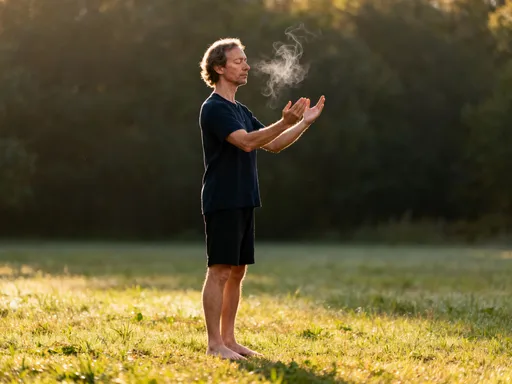
Physical activity is a vital component of healthy aging, but its impact depends greatly on timing. Exercise influences circadian rhythms by enhancing alertness, improving sleep quality, and regulating body temperature. However, the time of day you work out can either support or disrupt your internal clock. Morning exercise, especially when paired with natural light, helps anchor your circadian rhythm by reinforcing the wake signal. A brisk walk, light stretching, or moderate cardio in the early hours can boost mood, increase energy, and improve focus for the rest of the day.
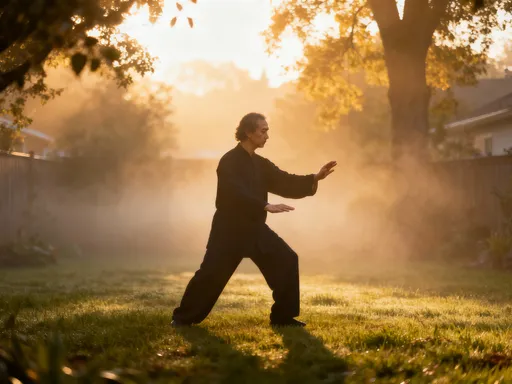
Midday and afternoon workouts also offer benefits, particularly for strength and endurance. Body temperature and muscle function peak in the late afternoon, making this an ideal window for more intense training. However, it’s important to avoid vigorous exercise within two to three hours of bedtime. High-intensity workouts elevate heart rate, adrenaline, and core body temperature, which can interfere with the body’s natural wind-down process. For those who prefer evening activity, gentler forms of movement—such as yoga, tai chi, or a leisurely walk—are more supportive of sleep and nervous system balance.
Rhythmic, low-impact activities deserve special attention. Practices like walking, diaphragmatic breathing, and mindful stretching activate the parasympathetic nervous system, which promotes relaxation and recovery. These forms of movement are particularly beneficial for women over 40, as they help manage stress, improve circulation, and maintain joint mobility without placing excessive strain on the body. Unlike high-intensity regimens that may increase cortisol over time, rhythmic movement supports hormonal harmony and long-term resilience.
Consistency in movement timing also plays a role. Just as regular meals and sleep times reinforce circadian stability, so does exercising at the same time each day. Over time, the body learns to anticipate activity and adjusts its energy systems accordingly, leading to improved performance and faster recovery. By choosing the right type of movement at the right time, you transform exercise from a stressor into a rhythm-supportive practice that enhances vitality and slows the aging process.
Putting It All Together: Building a Daily Rhythm That Fights Aging from Within
Creating a life rhythm that supports anti-aging doesn’t require drastic changes—it’s about integrating small, consistent habits that align with your biology. Imagine a typical day structured to honor your body’s natural flow: waking at 6:30 AM with the sunrise, stepping outside for a few minutes of morning light, enjoying a nutritious breakfast by 7:30 AM, and beginning the day with gentle movement. Lunch is eaten between 12:00 and 1:00 PM, when digestion is most efficient, followed by a short walk to aid metabolism. Dinner is finished by 7:00 PM, allowing ample time for digestion before bed. Screens are turned off by 8:30 PM, and a calming routine—perhaps reading or light stretching—begins by 9:00 PM, leading to a consistent bedtime of 10:00 PM.
This kind of routine may seem simple, but its cumulative effect is powerful. Each element—light exposure, meal timing, physical activity, and sleep consistency—reinforces the others, creating a synergistic effect that stabilizes circadian rhythms and supports cellular health. The goal is not perfection but progress. Missing one bedtime or eating late occasionally won’t derail your efforts. What matters is the overall pattern. Over weeks and months, these repeated signals teach your body when to be active, when to rest, and when to repair.
As your rhythm strengthens, you may begin to notice subtle shifts: waking without an alarm, feeling steady energy throughout the day, experiencing fewer cravings, and observing improvements in skin tone and texture. These are not coincidences—they are signs that your internal systems are functioning more efficiently. Tracking these changes, even informally, can provide motivation and help you stay committed. Journaling energy levels, mood, or sleep quality for a few weeks can reveal patterns and highlight the benefits of consistency.
The beauty of this approach lies in its accessibility. It doesn’t require expensive treatments, special equipment, or drastic lifestyle overhauls. It simply asks you to become more aware of timing and to make small, intentional choices each day. By building a daily rhythm rooted in science and sustainability, you create a foundation for long-term health—one that not only slows aging but enhances the quality of your years.
Final Thoughts: Aging Gracefully Starts with Listening to Your Body’s Rhythm
True anti-aging is not about resisting time but about harmonizing with it. The body is designed to thrive when its internal rhythms are respected and supported. Rather than fighting aging with extreme measures, the most effective strategy is to work with your biology—by sleeping consistently, eating in sync with daylight, moving at the right times, and reducing artificial disruptions. These practices don’t promise overnight transformation, but they do offer something more valuable: lasting vitality.
Life rhythm is not a trend or a temporary fix—it is a lifelong commitment to self-awareness and balance. When your days flow in alignment with your natural biology, you don’t just look younger; you feel more energized, focused, and emotionally grounded. The changes may start subtly, but over time, they compound into a profound shift in how you experience aging. This is not about turning back the clock, but about moving forward with strength, clarity, and grace.
By choosing rhythm over chaos, consistency over intensity, and harmony over haste, you invest in a future where aging is not feared but embraced as a natural, beautiful process. And in that space, you discover that the most powerful anti-aging tool you have is not a product or a procedure—but the daily rhythm of your life.