Lost in the Heart of Siberia: What Novosibirsk Taught Me About Russian Soul
You know that feeling when you expect a cold, industrial city and end up stumbling into a cultural goldmine? That was Novosibirsk for me. Far from just a transit stop on the Trans-Siberian, it’s a vibrant blend of history, art, and local life most travelers completely overlook. I went curious—and left transformed. From hidden theaters to steamy banya rituals, this Siberian giant surprised me at every turn. If you're chasing real Russia beyond the postcards, this is where your journey truly begins. Novosibirsk does not dazzle with imperial palaces or golden domes, yet its quiet strength, intellectual depth, and warm humanity reveal a Russia few outsiders ever witness.
First Impressions: Breaking the Myth of a "Forgotten City"
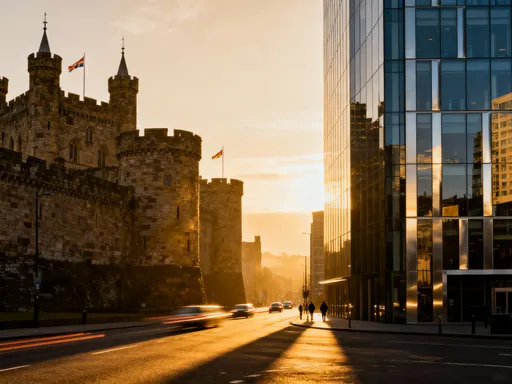
When most travelers think of Siberia, they imagine endless tundra, frozen rivers, and forgotten outposts. Novosibirsk, as Russia’s third-largest city and the largest in Siberia, often gets lumped into that same narrative—a gray industrial hub, a necessary stop on the Trans-Siberian Railway, but not a destination in its own right. Yet the moment I stepped off the train into the crisp Siberian morning, that stereotype dissolved. Wide, snow-dusted boulevards stretched ahead, lined with neoclassical buildings softened by time and frost. The Ob River shimmered under a pale winter sun, its surface cracked with delicate ice patterns. There was no chaos, no rush—just a calm, steady rhythm, as if the city knew its worth and didn’t need to prove it.
Founded in 1893 as a railway settlement during the construction of the Trans-Siberian, Novosibirsk grew rapidly into a strategic center of transport, industry, and later, science. Unlike older Russian cities steeped in imperial tradition, Novosibirsk carries the energy of a self-made metropolis—one built not by tsars but by engineers, scientists, and determined settlers. Today, it is home to over 1.6 million people and serves as the administrative heart of Siberia. But what struck me most was not its size or infrastructure, but the quiet dignity of its people. There was no performative charm for tourists; instead, there was authenticity, a sense of pride in simply being who they are.
The city’s layout reflects its dual identity: part Soviet planning, part modern ambition. Central streets like Krasny Prospekt are wide and orderly, designed for winter winds and long distances, yet dotted with cafés, bookshops, and art galleries that pulse with life. Even in the coldest months, when temperatures dip below -20°C, the sidewalks are full—parents walking children to school, elderly couples pausing at kiosks for tea, students hurrying between lectures. This is not a city surviving Siberia; it is one thriving within it. And that resilience, that unspoken fortitude, is the first lesson Novosibirsk teaches about the Russian soul.
The Pulse of Culture: Opera, Ballet, and Unexpected Elegance
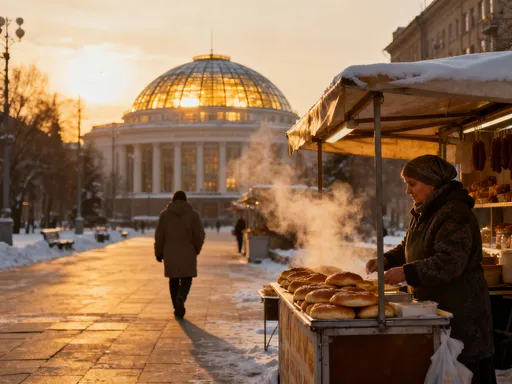
If there’s one place where Novosibirsk announces its cultural confidence, it’s the Novosibirsk Opera and Ballet Theatre. Standing beneath its sweeping glass dome on a frozen evening, I felt the same awe one might experience in Vienna or Paris. This is not just a regional theater—it’s one of the largest opera houses in Russia, with a repertoire that rivals Moscow’s Bolshoi. Yet unlike the more formal, tourist-heavy performances in the capital, here the audience feels personal, passionate, and deeply connected to the art.
I attended a performance of Tchaikovsky’s *Swan Lake*, and what struck me wasn’t just the flawless choreography or the rich acoustics, but the audience. Men in overcoats and women in woolen scarves sat upright, fully immersed, many humming along to familiar arias. Children were brought as part of family tradition, not as a novelty. Tickets are surprisingly affordable—often less than $20—making world-class performances accessible to ordinary citizens. This democratization of culture is central to Novosibirsk’s identity. Art is not a luxury; it is a necessity, a thread woven into daily life.
The theatre itself is a marvel of mid-20th-century architecture, completed in 1945 after being relocated from Leningrad during World War II. Its grand staircase, crystal chandeliers, and crimson velvet interiors speak of elegance, but there’s no pretension. In the lobby during intermission, I overheard conversations about choreography, historical context, and even the political undertones of certain productions. One elderly woman, clutching a program, told me, “This is where we come to remember who we are.” In a city far from the cultural centers of western Russia, the theatre becomes a sanctuary of identity, a place where beauty and meaning endure.
What makes Novosibirsk’s cultural scene remarkable is its consistency. It’s not a seasonal festival or a tourist-facing event—it’s year-round, deeply rooted, and supported by a population that values artistic excellence. The city also hosts its own philharmonic orchestra, drama theatres, and a thriving contemporary arts scene. For a traveler seeking the soul of Russia, this commitment to art amid Siberian winters is both humbling and inspiring.
Street-Level Russia: Markets, Cafés, and Real Conversations
To understand a city, you must walk its streets, taste its food, and listen to its people. In Novosibirsk, that journey begins at the Central Market, a sprawling maze of stalls piled high with pickled vegetables, wild berries, cured meats, and mountains of sunflower seeds. The air is thick with the scent of smoked fish, fresh bread, and dill. Babushkas in headscarves sit behind wooden counters, their faces lined with decades of Siberian winters, offering samples with a mix of sternness and warmth.
I tried ordering pirozhki—small baked buns filled with cabbage and egg—from one vendor who immediately corrected my pronunciation. “Not *pee-rozh-ki*,” she said, pointing a flour-dusted finger, “*pye-rahzh-kee*.” Then she laughed, handed me an extra one “for practice,” and insisted I try her homemade jam. These moments—small, unscripted, genuine—are the heartbeat of Novosibirsk. There are no souvenir stands aimed at foreigners, no inflated prices. This is a market for locals, by locals, and being welcomed into that space felt like a quiet honor.
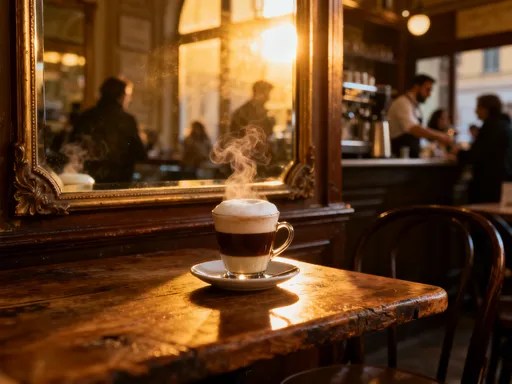
Along Krasny Prospekt, the city’s main artery, cafés buzz with conversation. I found a small tea house tucked between a bookstore and a music shop, where students debated literature over strong black tea and honey. When I asked about a book one was reading—Dostoevsky’s *The Brothers Karamazov*—the conversation unfolded naturally. They weren’t performing Russian intellect for a foreigner; they were simply living it. One young woman explained, “We argue about these books the way others argue about football.”
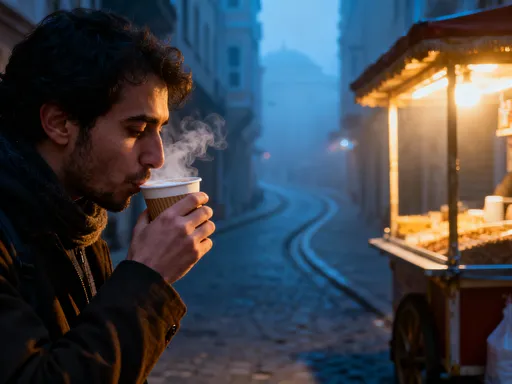
These interactions revealed a side of Russia rarely seen in guidebooks: thoughtful, hospitable, and deeply engaged with ideas. There’s a quiet pride in knowledge, in tradition, in survival. And despite the cold, there is warmth—not just from radiators and tea, but from human connection. In Novosibirsk, hospitality isn’t theatrical; it’s instinctive. A stranger offering directions, a shopkeeper sharing a story, a shared smile over a language mix-up—these are the moments that linger long after the trip ends.
Hidden Layers: Museums Off the Tourist Radar
While many visitors head straight to Moscow’s Tretyakov Gallery or St. Petersburg’s Hermitage, Novosibirsk offers a different kind of museum experience—intimate, thoughtful, and often overlooked. Away from the crowds, smaller institutions tell powerful stories about science, industry, and memory. Two standouts are the Museum of Railway Machinery and the Museum of Optics, both located in repurposed industrial spaces and run with quiet dedication.
The Museum of Railway Machinery, housed in a former locomotive depot, is a tribute to the very force that built Novosibirsk. Steam engines from the late 19th century stand frozen in time, their brass fittings still gleaming. Interactive displays explain how the Trans-Siberian Railway transformed Siberia, not just as a transport route but as a lifeline for migration, trade, and communication. What makes this museum special is its personal touch—many of the volunteers are retired railway workers who share stories of long journeys, frozen tracks, and the camaraderie of life on the rails. One man, his hands calloused from decades of work, described how trains kept cities alive during harsh winters. “No road could do that,” he said. “Only the rails.”
Equally fascinating is the Museum of Optics, a quirky, lovingly curated collection of lenses, cameras, and scientific instruments. From 18th-century spyglasses to Soviet-era microscopes, the exhibits trace humanity’s quest to see more clearly—literally and metaphorically. A display on Siberian astronomers highlighted how remote observatories contributed to major discoveries, despite limited resources. This spirit of innovation against the odds echoes throughout the city, especially in Akademgorodok, but here it feels grounded, tangible.
Perhaps the most moving experience was a small exhibit on the Gulag era at the local history museum. Unlike large-scale memorials, this display focused on personal letters, photographs, and survivor testimonies from Siberians who endured forced labor camps. There were no dramatic reconstructions—just quiet artifacts that spoke volumes. One letter, written on thin paper, read: “I remember the stars here. They were the only thing that didn’t belong to them.” These museums don’t shout; they whisper. And in their stillness, they preserve a deeper truth about Siberian resilience, memory, and the will to rebuild.
The Banya Experience: More Than Just a Sauna
No visit to Novosibirsk—or anywhere in Russia—is complete without a trip to the banya, the traditional steam bath that is equal parts ritual, therapy, and social event. My first experience was both exhilarating and intimidating. Invited by a local friend, I arrived at a wooden bathhouse on the city’s outskirts, where the scent of birch and hot stone filled the air. Inside, men and women separated into different rooms, all wrapped in towels or modest swimwear, though in private family banyas, nudity is common and non-sexualized.
The process is methodical. First, the steam room—walls of heated wood, buckets of water poured over stones to create thick, moist heat. Temperatures can reach 80°C, but it’s the humidity that takes your breath away. After several rounds of heating, the real test: the venik, a bundle of birch or oak branches, gently but firmly slapped against the back to stimulate circulation. “It’s not punishment,” my friend laughed. “It’s love.” The sensation is strange at first—tingling, then deeply relaxing—as blood flows and muscles loosen.
Then comes the plunge—either into a cold pool or, in winter, a hole cut into a nearby river or snow roll. The shock is instant, bracing, almost electric. But it’s followed by a wave of clarity, a feeling of being fully awake. Afterward, we gathered in a relaxation room with tea, honey, and slices of lemon. Someone brought out salted herring and dark rye bread. Kvass, the fermented bread drink, circulated in glass bottles. Conversation flowed—about work, family, politics, life. The banya, I realized, is not just about cleansing the body; it’s about opening the soul.
In Siberia, where winters are long and isolation can weigh heavily, the banya is a vital social anchor. It’s where friendships deepen, secrets are shared, and stress is washed away. It’s also deeply symbolic—purification, renewal, connection to nature. For centuries, Russians have seen the banya as a place between worlds, where the physical and spiritual meet. In Novosibirsk, that tradition lives on, not as folklore, but as lived practice.
Day Trips That Deepen the Journey
One of Novosibirsk’s greatest strengths is its role as a gateway to deeper Siberian experiences. Just a 30-minute train ride south lies Akademgorodok, the “Academic Town” established in the 1950s as a Soviet-era science hub. Designed as a utopian enclave for researchers, it remains a center of innovation, home to dozens of institutes and part of Novosibirsk State University. Walking its tree-lined paths, past modernist lab buildings and quiet residential zones, I felt a unique blend of intellect and tranquility.
I visited the Institute of Cytology and Genetics, where scientists continue groundbreaking work in biotechnology and agriculture. Though access to labs is restricted, the public garden features sculptures of DNA helices and informational plaques in Russian and English. Near Lake Akademicheskoye, I found a small café where professors and students gathered, sipping tea and debating ideas with the same passion as the literature students on Krasny Prospekt. This is a community that values knowledge not for prestige, but for progress.
Another rewarding excursion is to the Ob Sea, a vast reservoir formed by a hydroelectric dam on the Ob River. In summer, it’s a popular spot for boating and fishing; in winter, the frozen expanse becomes a natural skating rink. I joined locals ice fishing, sitting on folding chairs beside holes in the ice, waiting patiently with rods and thermoses. No one caught much, but no one seemed to mind. The peace, the horizon of white, the shared silence—it was meditative.
For those seeking rural life, small villages near the city offer homestays, traditional meals, and crafts like felt-making and embroidery. These are not tourist villages; they are working communities where hospitality is offered freely. One family invited me to help feed their chickens, then served a lunch of homemade pelmeni, pickled vegetables, and warm milk from their cow. There was no agenda, no performance—just life as it’s lived.
Why Novosibirsk Changes How You See Russia
Most foreign visitors to Russia focus on Moscow’s grandeur or St. Petersburg’s elegance. These cities are undeniably magnificent, but they present a curated version of the nation—one shaped by imperial history, diplomacy, and tourism. Novosibirsk, by contrast, offers something rarer: unfiltered authenticity. Here, Russia is not performing. It is simply being.
What I learned in Novosibirsk is that the Russian soul is not defined by palaces or politics, but by resilience, intellect, and quiet dignity. It’s in the way people endure harsh winters with grace, how they cherish art and science as essential, not optional, and how they open their homes and hearts without expectation. This is a culture that values depth over display, substance over spectacle.
Novosibirsk also challenges the myth of Siberia as a wasteland. Instead, it reveals a region of innovation, culture, and profound humanity. From the laboratories of Akademgorodok to the steam of the banya, from the opera house to the village kitchen, life here is rich, layered, and deeply meaningful. It’s a reminder that the most transformative travel experiences often happen where we least expect them—off the beaten path, beyond the postcard, in the quiet heart of a city that doesn’t need to shout to be heard.
The Unseen Soul of Siberia Awaits
Novosibirsk does not advertise itself. It does not need to. For those willing to look beyond stereotypes of cold and industry, it offers one of the most honest encounters with Russian life. It is a city where culture thrives in winter, where science and soul coexist, and where every conversation feels like a small act of trust. Traveling here is not about checking a box—it’s about shifting perspective. It’s about discovering that Russia is not just a country of tsars and ballet, but also of engineers, teachers, babushkas in markets, and families gathered around steaming bowls of borscht.
If you’re searching for the real Russia—the one that lives in daily rituals, quiet pride, and unshakable hospitality—start in Novosibirsk. Let go of expectations. Walk the snowy streets. Enter a market, attend a performance, share a banya. Listen. You’ll find that the soul of Siberia isn’t lost. It’s waiting, warm and steady, just beneath the surface.