You Won’t Believe These Hidden Gems in Amsterdam’s Protected Nature
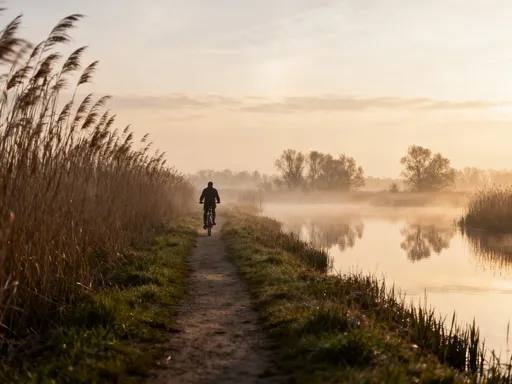
Amsterdam isn’t just canals and bikes—its protected natural areas are pure magic. I stumbled upon serene wetlands, secret forests, and vibrant bird sanctuaries just minutes from the city. These preserved spaces offer breathtaking views, perfect for quiet walks or that perfect Instagram shot. Exploring them felt like discovering a wilder, quieter side of the Netherlands most tourists miss. Away from the bustling markets and historic houses, nature unfolds in quiet splendor—where reeds whisper in the wind, herons stand motionless in shallow waters, and sunlight filters through ancient trees. These green sanctuaries are not just scenic escapes; they are essential havens for biodiversity and human well-being alike.
Beyond the City: Why Amsterdam’s Protected Areas Deserve Your Attention
Amsterdam’s reputation as a green and livable city is no accident. Behind its charming streets and iconic architecture lies a deep commitment to preserving nature within and around the urban core. The city and surrounding municipalities have safeguarded vast stretches of land under national and regional conservation programs, ensuring that rapid urban development does not come at the expense of ecological health. These protected areas are not isolated pockets but interconnected green corridors that support wildlife migration, improve air and water quality, and offer residents and visitors a vital retreat from city life.
The importance of urban nature conservation cannot be overstated. In a world where concrete often replaces canopy, Amsterdam stands out for its intentional integration of nature into daily life. Studies have shown that access to green spaces reduces stress, improves mental clarity, and fosters community well-being. For families, retirees, and working professionals alike, these natural reserves offer accessible opportunities to slow down, breathe deeply, and reconnect with the rhythms of the natural world. Whether you’re walking a dog, pushing a stroller, or simply seeking solitude, these spaces welcome all.
From an environmental standpoint, these areas serve as critical habitats for native species. The wetlands filter pollutants from rainwater, the dunes protect against coastal erosion, and the woodlands sequester carbon. At the same time, they enrich the visitor experience by offering diverse landscapes within a short distance of the city center. Unlike crowded tourist attractions, these reserves provide a sense of discovery and tranquility. They remind us that sustainability and beauty can coexist—and that protecting nature is not a luxury, but a necessity for thriving cities.
Meet the Wild Side: Key Protected Natural Reserves Near Amsterdam
Just beyond the city limits lie several remarkable natural reserves, each with its own character and ecological significance. One of the most expansive is the Waterland region, a network of marshes, meadows, and winding waterways northeast of Amsterdam. This low-lying landscape is part of the larger North Sea Canal system and plays a crucial role in flood management. But beyond its functional value, Waterland is a haven for birdlife, especially during migration seasons. Visitors might spot pied avocets, black-tailed godwits, or even the elusive bittern wading through the reeds.
Another gem is Amstelpark, located just south of the city along the Amstel River. Originally created for the 1972 Floriade horticultural exhibition, the park has evolved into a beautifully maintained green space with gardens, ponds, and walking trails. It blends cultivated beauty with natural elements, making it ideal for families and casual strollers. The park also features a butterfly garden and a small animal farm, adding educational value for children. Despite its proximity to urban areas, Amstelpark feels secluded and peaceful, especially in the early morning hours.
Perhaps the most ecologically significant is the Amsterdam Water Supply Dunes, a protected area stretching from Zandvoort to Castricum along the North Sea coast. Managed by Waternet, Amsterdam’s water company, this dune system serves a dual purpose: it is both a primary source of freshwater and a rich natural habitat. The dunes act as a natural filter, purifying rainwater as it percolates through the sand—supplying over a million people with clean drinking water. At the same time, the area supports rare plant species like the dune pansy and animals such as the sand lizard and European hare. Designated trails allow visitors to explore without disrupting sensitive zones, and guided tours offer deeper insight into the area’s dual role in conservation and public utility.
Chasing Light: The Most Instagram-Worthy Spots in These Natural Sanctuaries
For those who appreciate beauty through a lens, Amsterdam’s protected nature reserves offer countless photogenic moments. The key is knowing where and when to look. In Waterland, one of the most magical spots is near the village of Broek in Waterland, where narrow canals reflect centuries-old farmhouses framed by weeping willows. At dawn, when the mist hovers above the water and the first light gilds the rooftops, the scene resembles a Dutch master painting come to life. A wide-angle lens captures the symmetry, while a telephoto can isolate a single swan gliding silently across the glassy surface.
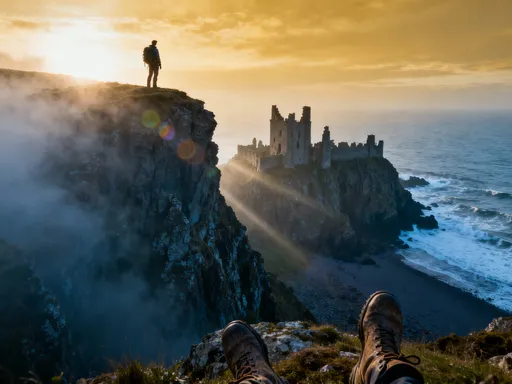
The Amsterdam Water Supply Dunes offer a different kind of visual drama. Along the northern trails, where the dunes meet the forest, sunlight filters through pine trees in golden shafts, especially in late afternoon. These “god rays” create a mystical atmosphere, perfect for evocative photography. In spring, patches of blooming heather add splashes of purple, while in autumn, the changing leaves of beech and oak create warm, earthy tones. One particularly striking location is a small clearing where a lone bench faces the sea—ideal for a contemplative portrait or a wide seascape with crashing waves in the distance.
For mirror-like reflections, head to the quiet ponds in Amstelpark during windless mornings. The still water captures the surrounding trees and sky with near-perfect clarity, creating a dreamlike effect. Position yourself low to the ground for the best reflection shots, and consider using a polarizing filter to reduce glare and enhance color saturation. Birdwatchers with cameras will also enjoy the reed beds near the park’s northern edge, where kingfishers occasionally dart past and moorhens lead their chicks through the shallows. The key to great nature photography here is patience—waiting for the right light, the perfect moment, and respecting the space so that wildlife remains undisturbed.
Getting There Like a Local: Transport and Access Tips
One of the greatest advantages of Amsterdam’s protected natural areas is their accessibility. Most can be reached without a car, aligning with the city’s sustainable transportation ethos. For Waterland, take bus 316 or 320 from Amsterdam Noord station. These routes pass through picturesque villages like Schellingwoude and Ransdorp, offering glimpses of traditional Dutch rural life. Cycling is another excellent option—dedicated bike paths lead directly into the heart of the wetlands, allowing you to travel at a pace that lets you truly absorb the surroundings. Rentals are widely available, and many routes are flat and well-marked.
Amstelpark is even easier to reach. Tram 5 stops at Amstelpark station, placing you just steps from the main entrance. For a more scenic approach, consider cycling from the city center along the Amstel River path—a route favored by locals for weekend outings. The ride takes about 25 minutes and passes charming houseboats and riverside cafés. If you’re driving, limited parking is available near the park’s southern end, but public transport is recommended to reduce congestion and environmental impact.
The dune areas are best accessed by train. Take a 20-minute ride from Amsterdam Centraal to Zandvoort aan Zee, then follow marked walking or cycling paths into the dunes. Alternatively, the bus from Haarlem to Castricum stops near several trailheads. To avoid crowds, aim to visit early in the morning on weekdays. Summer weekends can be busy, especially when the beach is warm, but the inland trails remain relatively quiet. When packing, prioritize comfort and sustainability: wear moisture-wicking clothing, bring a reusable water bottle, and carry a small backpack with snacks, sunscreen, and a lightweight rain jacket. A camera or smartphone with extra battery life ensures you won’t miss those fleeting moments of natural beauty.
What to Do (and Not to Do): Responsible Exploration in Protected Zones
Enjoying Amsterdam’s natural reserves comes with a responsibility to protect them. Fortunately, the rules are simple and designed to ensure that everyone can experience these places in their full splendor. Permitted activities include walking, cycling on designated paths, birdwatching, and photography. These low-impact pursuits allow visitors to engage with nature without harming it. Benches and viewing platforms are strategically placed to minimize disturbance to wildlife, and many areas have information boards that explain local ecology and conservation efforts.
There are also clear guidelines on what not to do. Drones are prohibited in most protected areas to prevent stress to birds and other animals. Similarly, leaving marked trails is discouraged—trampling on fragile dune vegetation or wetland soils can have long-term consequences. Littering is, of course, strictly forbidden, and visitors are encouraged to take all waste with them. Even seemingly harmless actions, like feeding ducks or picking flowers, can disrupt natural behaviors and ecosystems. Dogs are allowed in many areas but must be kept on a leash, especially during breeding seasons for ground-nesting birds.
Responsible tourism is not just about following rules—it’s about mindset. It means moving quietly, observing without interfering, and leaving no trace of your presence. It means choosing a reusable bottle over plastic, staying on the path even when the view looks better off-trail, and teaching children to respect nature as a living system, not a playground. When we act with care, we contribute to the long-term survival of these spaces. The beauty we enjoy today can then be passed on to future generations, not as a memory, but as a living reality.
Seasonal Secrets: How These Landscapes Transform Throughout the Year
One of the most enchanting aspects of Amsterdam’s protected nature is its constant transformation with the seasons. Each time of year offers a distinct experience, inviting repeat visits and deeper connection. In spring, the meadows of Waterland burst into life with wildflowers—crocuses, daffodils, and buttercups painting the green fields in soft color. This is also the season of new life: ducklings follow their mothers across ponds, lambs graze in fenced pastures, and migratory birds return to nest. The air is fresh, the light is clear, and the world feels renewed.
Summer brings lush greenery and long daylight hours, perfect for extended walks or evening bike rides. The dunes are especially vibrant, with marram grass holding the shifting sands in place and bees buzzing among blooming thyme. While midday can be busy, early mornings and late evenings offer solitude and the chance to see deer emerging from the forest edges. Amstelpark’s gardens are in full bloom, with roses, lilies, and hydrangeas attracting both pollinators and photographers.
Autumn transforms the landscape with a palette of gold, amber, and russet. The beech and oak trees in the dune forests create a canopy of warm light, and fallen leaves crunch underfoot. This season is ideal for reflective walks, as fog often rolls in from the sea, adding a sense of mystery. Mushrooms sprout in damp corners, and birds begin to gather in larger flocks before migration. Winter, though quieter, has its own stark beauty. Frost coats the reeds, frozen puddles mirror the gray sky, and the absence of leaves reveals the intricate architecture of bare branches. On clear days, the low winter sun casts long shadows, creating dramatic contrasts ideal for photography.
Why This Matters: The Bigger Picture of Urban Nature Conservation
Amsterdam’s success in preserving natural areas within a growing city offers a powerful model for urban planning worldwide. It demonstrates that development and conservation are not opposing forces but can be harmonized through thoughtful design and public commitment. The city’s green infrastructure does more than please the eye—it regulates temperature, reduces noise pollution, supports pollinators, and provides essential ecosystem services. These benefits are not just environmental; they are social and economic, contributing to public health, tourism, and overall quality of life.
Visitors play a crucial role in this ecosystem. By choosing to explore these areas responsibly, tourists help fund conservation through park fees and local businesses. They also raise awareness, sharing photos and stories that inspire others to value nature. Every respectful footstep, every photo taken without disturbing a nest, every reusable bottle carried out reinforces a culture of care. In an age of climate change and biodiversity loss, such choices matter more than ever.
Ultimately, Amsterdam’s protected nature reserves are not just places to visit—they are invitations to reflect. They remind us that beauty and balance are possible, even in the busiest corners of the world. They offer peace, perspective, and a deeper understanding of our place within the natural world. By exploring with mindfulness and gratitude, we do more than enjoy a scenic walk—we become stewards of something greater than ourselves. And in that quiet exchange between human and nature, we find not just escape, but purpose.
Amsterdam’s protected areas are more than scenic backdrops—they’re living ecosystems that invite mindful exploration. By visiting with respect, we help preserve their magic for future travelers and generations to come.