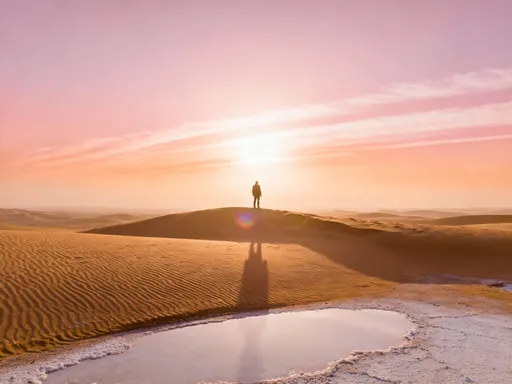
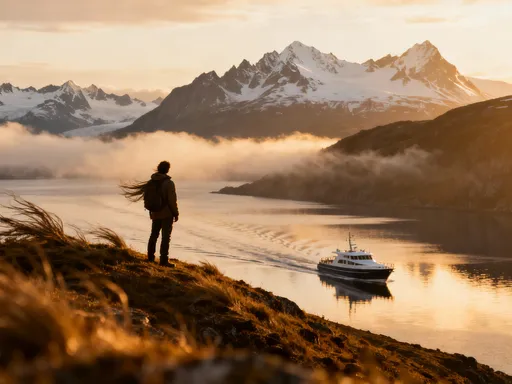
This Is Ushuaia’s Wild Side – A Private Journey Through Its Most Epic Theme Zones
You know that feeling when a place just hits different? Ushuaia, Argentina, did that to me. Sure, it’s famous as the “End of the World,” but beyond the postcards lies something deeper — raw, real, and wildly diverse. I didn’t follow the crowds. Instead, I explored it privately, diving into themed zones you rarely hear about: untouched wilderness, maritime soul, mountain magic, and more. This isn’t just a trip report — it’s a firsthand pass to the layers that make Ushuaia unforgettable.
Why Ushuaia Isn’t Just a Pit Stop – The Case for Deeper Exploration
Ushuaia holds a unique position in the global travel imagination. As the southernmost city in the world, it is often celebrated as the last stop before Antarctica, a symbolic gateway to the frozen continent. Cruise ships dock here by the dozens each season, unloading thousands of passengers who spend a few hours snapping photos of snowcapped peaks and picking up souvenirs shaped like penguins. While these brief visits are understandable, they risk reducing Ushuaia to a scenic backdrop rather than a living, breathing destination with depth and character.
The danger of surface-level tourism is that it flattens experience. When travelers rush through cable car rides, tick off museum names, and reboard their vessels before the afternoon fog rolls in, they miss the subtle rhythms that define life at the edge of the world. The city’s true essence isn’t found in postcard views alone but in the quiet moments: the sound of wind through lenga forests, the smell of wood smoke on winter mornings, the warmth of a local baker handing you a freshly baked medialuna with a smile.
That’s why intentional, private travel makes all the difference. Choosing a slower, more immersive approach allows visitors to engage with Ushuaia on its own terms. Without the pressure of group schedules, one can wake at dawn to watch the Beagle Channel shimmer under low light, or spend an entire afternoon wandering forest trails without encountering another soul. Private exploration offers better access to remote areas, more flexibility in timing, and deeper human connections — whether with a guide who grew up in the region or a shopkeeper willing to share stories over tea.
My motivation for this journey was simple: authenticity. I wanted to move beyond the curated brochures and discover what makes Ushuaia resonate long after departure. I wasn’t interested in checking off landmarks; I wanted to feel the pulse of the place. By focusing on themed zones — distinct facets of the city’s identity — I found a way to organize my exploration meaningfully. Each zone revealed a different layer, building a fuller picture of a destination too often seen in fragments.
Theme Zone 1: The Untamed Wilderness – Tierra del Fuego National Park Revisited
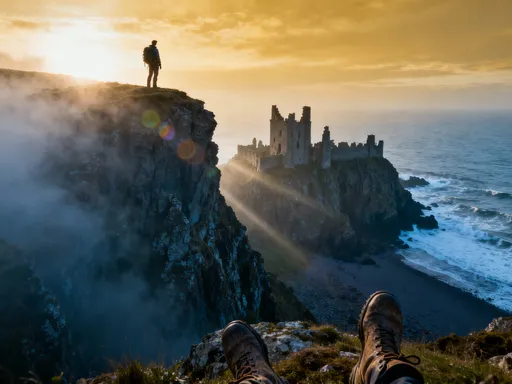
Tierra del Fuego National Park is often treated as a single scenic stop along the tourist trail — a place to snap a photo of the End of the World sign and buy a hot chocolate before returning to town. But to see it only that way is to overlook its ecological richness and emotional depth. Spanning over 63,000 hectares, the park is not one landscape but many: coastal cliffs, peat bogs, ancient forests, and glacial lakes, each supporting unique plant and animal life. It’s a living ecosystem shaped by fire, ice, and time.
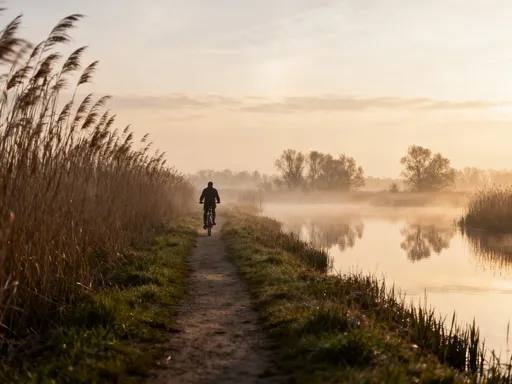
One of the most rewarding experiences was hiking the Pipo River trail to Ensenada Bay. This route, less crowded than the main park entrances, winds through a corridor of subantarctic beech forests, where moss drapes every branch like lace. The air carries the scent of damp earth and pine, and the only sounds are the rustle of leaves and the occasional call of a Magellanic woodpecker. As the trail descends toward the bay, the terrain shifts — wetlands emerge, filled with reeds and dotted with small pools reflecting the sky. Here, the land feels ancient, untouched by human hands.
Wildlife observation is one of the park’s quiet joys. Guanacos, the wild relatives of llamas, graze in open meadows, their long necks lifted with quiet curiosity. High above, Andean condors circle on thermal currents, their wingspans casting shadows on the ground. With patience, it’s possible to spot the elusive Southern river otter, a shy creature that slips through waterways with barely a ripple. These encounters aren’t guaranteed, but that’s part of what makes them special — they reward stillness and attentiveness.
For those seeking a private experience, preparation is key. Renting quality hiking gear in Ushuaia ensures comfort on unpredictable terrain. Visiting early in the morning or late in the afternoon helps avoid peak crowds, especially during the summer months. Hiring a local guide adds depth to the journey; many are trained naturalists who can identify bird calls, explain indigenous plant uses, and share stories of the Yámana people who once lived in harmony with this land. These guides don’t just lead the way — they help visitors see the park as a living culture, not just a scenic reserve.
Theme Zone 2: The Maritime Soul – Beagle Channel and Yachting Culture
The Beagle Channel is the liquid spine of Ushuaia, a winding waterway that separates Argentina from Chile and connects the Atlantic and Pacific Oceans. Most visitors experience it aboard large catamarans, where narration plays over speakers and photo ops are timed to perfection. While these tours offer convenience, they often lack intimacy. To truly feel the channel’s soul, I chose a private small-boat charter — a decision that transformed my understanding of this maritime landscape.
Small boats allow access to narrow inlets and quiet coves unreachable by larger vessels. On one morning, we glided through a fog so thick it muffled all sound, emerging suddenly into a sunlit bay where sea lions basked on rocky outcrops. The mood of the channel changes by the hour: misty and mysterious at dawn, sparkling under midday sun, then soft and golden as evening approaches. Each visit feels like a new world. At Les Eclaireurs, the famous “Lighthouse at the End of the World,” we anchored quietly, watching imperial cormorants dive for fish while a colony of fur seals hauled themselves onto the rocks.
Beyond tourism, the channel is central to Ushuaia’s identity as a yachting hub. The city hosts weekend regattas that draw sailors from across South America, their colorful sails dotting the water like confetti. The marina is a social center, where boat owners gather at waterfront cafes, swapping stories over empanadas and Malbec. Local yacht clubs, some decades old, foster a culture of camaraderie and respect for the sea. Even for non-sailors, spending time in these spaces offers insight into a community that lives by tides and wind forecasts.
Arranging a private tour responsibly is essential. I worked with a licensed operator committed to eco-conscious practices — maintaining safe distances from wildlife, using low-impact engines, and following designated navigation routes. Many of these operators are small family-run businesses, passionate about preserving the channel’s integrity. Choosing them supports sustainable tourism while ensuring a more personal experience. Instead of being one of fifty passengers, I was part of a group of six, able to ask questions, steer briefly under supervision, and even help raise the anchor — a small but meaningful connection to the water.
Theme Zone 3: Mountain Magic – Beyond Cerro Castor and the Ski Scene
Cerro Castor is Ushuaia’s best-known mountain destination, drawing skiers and snowboarders each winter with its reliable powder and panoramic views. But the Fuegian Andes offer far more than seasonal sports. For much of the year, these mountains remain quiet, their slopes covered in hardy vegetation and crisscrossed by trails that few ever follow. Exploring them privately revealed a different kind of beauty — one defined by solitude, scale, and silence.
During my visit in late spring, I joined a guided snowshoeing expedition into the backcountry. Without the crowds of the ski resort, the experience felt almost sacred. Each step sank slightly into the remaining snow, the only sound the soft crunch beneath my boots. The trail climbed steadily, offering views of glacial valleys and frozen lakes below. At the summit, the wind was sharp, but the reward was unmatched: a 360-degree panorama of jagged peaks stretching into Chilean territory, their snowcaps glowing under the afternoon sun. This wasn’t adrenaline tourism — it was reflection, immersion, presence.
Even in summer, the mountains hold magic. Hiking trails like the one to Laguna Esmeralda lead through forests of lenga and coihue, opening suddenly onto alpine lakes so clear they mirror the sky. These routes are well-marked but rarely crowded, allowing for uninterrupted communion with nature. I spent hours sitting by the shore, watching clouds drift across the water, feeling the kind of peace that only vast landscapes can offer.
The charm of Ushuaia’s mountain neighborhoods also deserves attention. Areas like Parque Almirante Brown are residential but feel like hidden retreats, with wooden homes nestled against the hills, smoke curling from chimneys, and gardens blooming with hardy alpine flowers. Walking these streets early in the morning, I saw residents tending to their yards, dogs trotting alongside, children on their way to school — a glimpse into everyday life framed by extraordinary scenery. These quiet moments reminded me that Ushuaia isn’t just a destination for visitors; it’s a home, shaped by resilience and beauty.
Practical considerations are vital for mountain exploration. Weather in the region is unpredictable, shifting from sunshine to sleet within hours. Layered clothing, waterproof gear, and reliable footwear are non-negotiable. Transportation options vary — rental vehicles offer freedom, but private transfers with experienced drivers are safer on icy roads. Safety is paramount; venturing off marked trails should only be done with a guide familiar with the terrain. With proper preparation, however, the mountains become not a challenge to conquer but a space to inhabit.
Theme Zone 4: Cultural Threads – The Blended Identity of Fuegian Life
Ushuaia’s culture is a quiet tapestry woven from many threads. The Yámana people, the original inhabitants of this region, lived along the coasts for thousands of years, navigating the waters in canoes and surviving the harsh climate with remarkable ingenuity. Though their population was tragically diminished in the 19th and 20th centuries, their legacy endures in place names, archaeological sites, and cultural memory. Today, their story is honored in museums and community efforts to preserve indigenous knowledge.
The Museo del Fin del Mundo offers one of the most thoughtful presentations of this history. Rather than treating the past as a distant exhibit, the museum connects it to the present, showing how migration, penal colonization, and economic shifts shaped modern Ushuaia. I visited with a local historian who provided context beyond the placards — explaining how the city evolved from a penal colony to a hub for fishing, then tourism. His perspective transformed the experience from passive viewing to active learning.
Yet Ushuaia is not frozen in history. It is a living city with Argentine pride and global influences. The downtown streets blend colonial architecture with modern boutiques, and restaurants serve everything from traditional lamb stews to Japanese-Argentine fusion. On Sundays, the community market buzzes with activity — artisans selling handmade woolens, bakers offering pastries dusted with sugar, musicians playing folk tunes on guitar and bombo. These gatherings are not staged for tourists; they are genuine expressions of local life.
Some of my most meaningful moments were the quietest. Sitting in a café, I watched morning light filter through the mist as church bells rang in the distance. An elderly woman at the next table stirred her coffee slowly, reading a newspaper in Spanish. A shopkeeper offered me a sample of locally made merlot jam, explaining how her family had run the store for three generations. These interactions weren’t part of any itinerary, but they revealed the heart of the place: a community that values tradition, resilience, and connection.
Respecting cultural boundaries is essential. While Ushuaia is welcoming, it is not a performance. Engaging meaningfully means listening more than speaking, observing before participating, and supporting local businesses rather than foreign chains. It means understanding that some stories are shared gently, not demanded. When approached with humility, the city opens up in unexpected ways — not with grand gestures, but with quiet trust.
Theme Zone 5: The Polar Vibe – Embracing the Antarctic Connection
Ushuaia’s identity is deeply tied to Antarctica. It is the primary departure point for scientific expeditions, government missions, and eco-tourism voyages to the southern continent. This connection isn’t just logistical — it’s emotional and intellectual. The city breathes polar energy, from the research vessels docked at the port to the posters in cafes advertising lectures on glaciology.
One of the most illuminating experiences was visiting the Antarctic Base “Presidente Base” outreach center. While the actual base is located on the continent, this facility in Ushuaia serves as a hub for education and public engagement. Exhibits include replicas of field camps, samples of ice core drilling equipment, and interactive displays explaining climate research. What struck me most was the emphasis on collaboration — scientists from Argentina, Chile, and European countries working together in extreme conditions for the sake of knowledge.
I also attended a public film night hosted by the Argentine Antarctic Institute, where researchers shared footage from their latest missions. Watching penguins navigate shifting ice floes, or hearing firsthand accounts of surviving winter storms, created a sense of shared responsibility. These events aren’t widely advertised, but they’re open to visitors who seek them out. They offer a rare window into a world most will never see, yet one that affects us all.
Engaging with Ushuaia’s polar role shifts the traveler’s mindset. It’s no longer about collecting experiences but about feeling part of a larger story — one of exploration, endurance, and environmental stewardship. This awareness lingers long after the trip ends. You begin to see the local weather not just as scenery but as a data point in a global system. The wind isn’t just cold — it’s a reminder of the forces shaping our planet.
Putting It All Together – Designing Your Own Private Ushuaia Journey
Bringing these theme zones together requires thoughtful planning. The ideal private journey balances time, interest, and season. Summer (December to March) offers longer days and accessible trails, perfect for wilderness and maritime exploration. Winter (June to September) is ideal for snow-based activities and experiencing the city’s cozy, introspective side. Shoulder seasons provide fewer crowds and dramatic light, ideal for photography and quiet reflection.
Accommodations play a crucial role in shaping the experience. Waterfront lodges offer direct views of the Beagle Channel and easy access to morning boat tours. Boutique cabins on the city’s outskirts provide privacy and immersion in nature. Some rentals even include binoculars, hiking maps, and recommendations from owners who know the area intimately. Staying in smaller, locally owned properties not only enhances comfort but supports the community.
Transportation choices define mobility. Renting a vehicle offers independence, especially for reaching remote trails or national park entrances. However, winter driving requires experience with icy roads. Private transfers with trusted drivers provide safety and local insight. Alternatively, booking a customized guided itinerary ensures expert navigation while allowing deep focus on the experience rather than logistics.
The key is intentionality. Rather than trying to see everything, choose two or three theme zones that resonate most. Spend full days in each, allowing time for unplanned moments — a conversation with a fisherman, a sudden rainbow over the bay, a quiet walk through a snow-covered forest. These are the memories that endure.
Conclusion
Ushuaia is more than a destination — it’s a mosaic of moods, meanings, and natural grandeur. By exploring it through themed, personal lenses, travelers move from sightseeing to soul-seeing. This is not about ticking boxes, but about tuning in. Whether you come for the mountains, the sea, or the silence, Ushuaia offers a rare gift: the chance to go all the way to the end of the world — and find something real waiting there.