You Won’t Believe These Hidden Corners of Bremen’s Cityscape
When I first wandered through Bremen, I expected historic squares and tourist trails. Instead, I stumbled upon quiet courtyards, forgotten alleys, and rooftop views no guidebook mentioned. This city’s true charm isn’t in the postcards—it’s in the silent canals, weathered brick walls, and local haunts tucked behind unmarked doors. If you're craving an authentic cityscape beyond the crowds, Bremen’s off-the-beaten-path moments will steal your breath—and your itinerary.
The Heartbeat Behind the Old Town
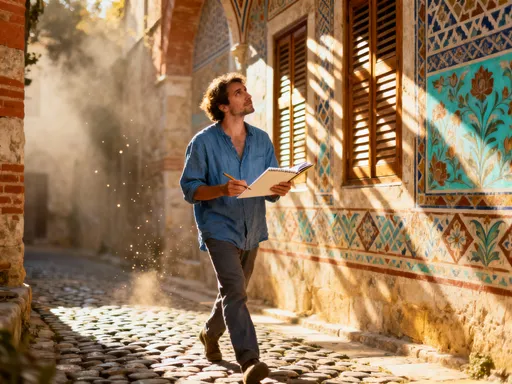
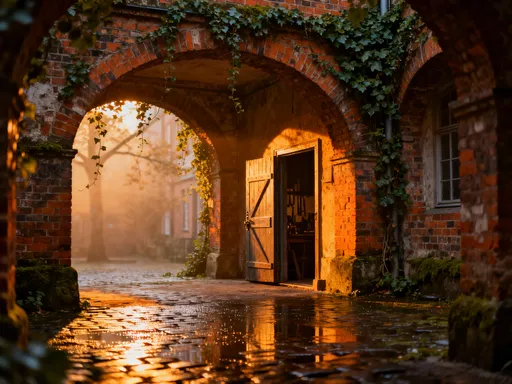
Bremen’s Old Town, centered around the grand Marktplatz and the UNESCO-listed Town Hall, is just the beginning. A few steps away from the postcard-perfect facades lie the city’s quieter, more intimate spaces—the Höfe, or historic courtyards, that once served as bustling commercial hubs. These hidden enclaves, tucked behind unassuming arched passageways, reveal a Bremen that moves at a gentler pace. Cobblestones worn smooth by centuries of footsteps lead to small artisan workshops where woodcarvers shape delicate figurines, potters mold clay on spinning wheels, and bookbinders repair leather-bound volumes by hand. Ivy climbs ancient brick walls, softening the edges of buildings that have stood since the 15th century.
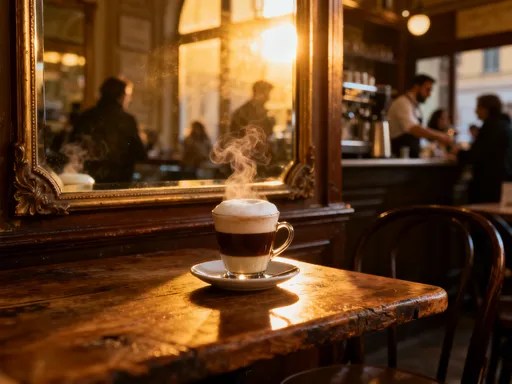
One such courtyard, the Rathscafé Hof, is barely marked on maps but alive with local energy. A family-run café spills into the open space, its tables shaded by a centuries-old chestnut tree. The scent of freshly ground coffee mingles with the crisp autumn air. Nearby, a blacksmith’s shop still bears the original hammer marks on its doorframe. These spaces are not preserved for show—they are lived-in, working parts of the city. The charm lies in their authenticity: no entrance fees, no crowds, just the quiet hum of daily life continuing as it has for generations.
Exploring these hidden passages offers more than aesthetic pleasure; it provides a sense of connection to Bremen’s mercantile past. Many of these courtyards were once managed by guilds or merchant families who stored goods, hosted meetings, and conducted trade. Today, they’ve been thoughtfully repurposed without losing their character. Some house boutique galleries, others serve as tranquil lunch spots for office workers. For visitors, the key is to slow down. Instead of rushing from the Town Hall to the Bremen Cathedral, take a left down a narrow lane marked only by a wrought-iron lantern. Let curiosity guide you. These quiet interludes between major sights are where the city reveals its soul—not in grand declarations, but in whispered details.
Schnoor’s Secret Alleys After Dark
The Schnoor quarter is Bremen’s most photographed neighborhood, and for good reason. Its crooked, cobbled lanes and gabled houses leaning gently toward one another evoke a fairy tale. But while most visitors come during daylight hours, the real enchantment begins as the sun sets. When the day-trippers have returned to their hotels and the souvenir shops close their shutters, the Schnoor transforms. Streetlamps cast a golden glow on damp cobblestones, and the gentle lapping of the Balge River echoes beneath wooden bridges. The air grows still, and the only sounds are distant laughter from a wine bar and the occasional chime of a bicycle bell.
It’s in these twilight hours that the Schnoor feels most alive—and most private. Locals emerge for evening strolls, couples linger at outdoor tables sipping mulled wine, and artists open their tiny studios to friends and neighbors. One tucked-away café, hidden behind a moss-covered arch, serves homemade plum cake and herbal tea long after other businesses have closed. The owner, a retired schoolteacher, knows most of her guests by name. There’s no menu board, only a chalkboard with that night’s offerings—sometimes soup, sometimes cake, always warm.
For those seeking a deeper experience, timing is everything. Arrive just before dusk, find a quiet bench along the Balge, and watch the light shift across the timber-framed houses. Notice how the colors deepen—from amber to rust to deep violet—as the sky darkens. This is not a place to rush through with a camera. It’s a place to absorb. The magic of the Schnoor at night lies in its intimacy, its sense of belonging to those who take the time to stay. And for a brief moment, if you walk softly enough, you might feel like you belong too.
Walls with Stories: Bremen’s Forgotten Brick Architecture
Beyond the polished elegance of the Town Hall’s Gothic façade, Bremen’s architectural identity is written in brick. The city’s lesser-known buildings—former warehouses, modest churches, and repurposed industrial spaces—speak of resilience, craftsmanship, and quiet beauty. These structures, often overlooked by tourists, form the backbone of Bremen’s urban texture. Their red and sand-colored bricks, laid in intricate patterns, tell stories of trade, craftsmanship, and adaptation across centuries.
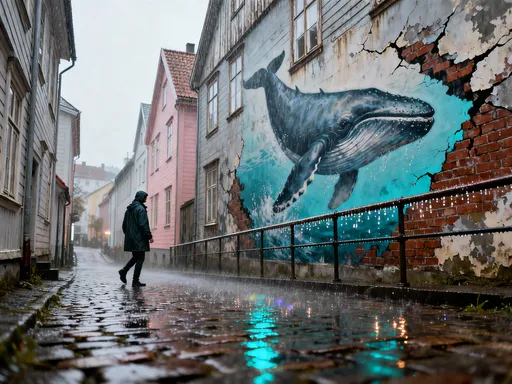
One striking example is the former Schlachte warehouse district along the Weser River. Once the heart of Bremen’s maritime commerce, these low-rise brick buildings have been transformed into restaurants, art studios, and cultural centers. Their thick walls, originally built to withstand river floods and store goods, now shelter poetry readings and pottery exhibitions. The contrast between old and new is seamless—steel-framed windows cut into ancient masonry, ivy spilling over iron railings, and murals painted directly onto weathered brick. These buildings don’t hide their age; they wear it proudly.
Equally compelling are the city’s smaller religious structures, like the St. Martin’s Chapel tucked behind a residential street in the Ostertor district. This modest brick church, dating back to the 13th century, lacks the grandeur of the cathedral but radiates quiet dignity. Its arched doorway is framed by hand-carved stone, and the interior, though simple, is illuminated by stained glass that casts colored light onto wooden pews. Services are still held weekly, attended mostly by elderly parishioners and a few curious visitors. There’s no entrance fee, no gift shop—just the quiet reverence of a space that has witnessed centuries of prayer.
For architecture enthusiasts, a walk through Bremen’s quieter neighborhoods offers a masterclass in adaptive reuse. Former factories now house co-working spaces, their brick chimneys preserved as landmarks. Abandoned storage halls have become community centers, their original wooden beams exposed and celebrated. The city’s approach to preservation is not about freezing buildings in time, but about letting them evolve while honoring their past. This philosophy gives Bremen a layered, lived-in feel—where history isn’t displayed behind glass, but woven into daily life.
The Weser River’s Quiet Side
While the main promenade along the Weser River draws crowds, especially in summer, a more serene experience awaits just a short walk away. Head toward Österreicher Kehre and the Neustadt district, where the river bends gently and the pace of life slows. Here, the Weser feels less like a tourist attraction and more like a living part of the city’s rhythm. Houseboats with flower-filled decks drift lazily along the current, their residents reading on small balconies or tending to rooftop gardens. Herons stand motionless at the water’s edge, waiting for fish, while swans glide past with quiet elegance.
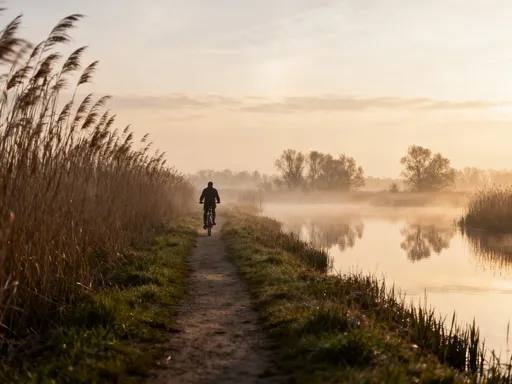
The path along this stretch is less paved, more natural—gravel trails winding beneath willow trees, wooden benches placed at intervals for quiet contemplation. In the early morning, mist rises from the water, softening the skyline of distant spires and modern rooftops. By late afternoon, the sun slants low, casting long shadows and turning the river into a mirror of gold and blue. It’s one of Bremen’s most poetic views, yet rarely appears in travel brochures.
What makes this area special is its accessibility and authenticity. Unlike the curated riverfront near the city center, this section feels unpolished and genuine. Families picnic on the grassy banks, cyclists pause to take photos, and fishermen cast their lines from flat stones at the water’s edge. There are no souvenir stands or loud restaurants—just the occasional kiosk selling coffee and bratwurst. The lack of commercialization makes it a favorite among locals, particularly those seeking peace after a long week.
Reaching this part of the river is simple. From the main city center, follow the Weser downstream on foot or by bicycle for about 20 minutes. Alternatively, take the tram to Neustadt station and walk a few blocks toward the water. The journey itself becomes part of the experience—passing through residential streets lined with blooming hydrangeas, hearing children laugh in schoolyards, catching the scent of fresh bread from a neighborhood bakery. When you finally reach the quieter banks, the contrast with the bustling city center is striking. This is Bremen as it is lived, not performed.
Roof Gardens and Skyline Surprises
One of Bremen’s best-kept secrets lies above street level. Scattered across the city are rooftop gardens, terraces, and green spaces that offer panoramic views without the crowds of traditional observation decks. These hidden vantage points are not marked on tourist maps, but they reward the curious traveler with sweeping vistas of red-tiled roofs, church spires, and the distant gleam of the Weser.
A prime example is the rooftop terrace of the Kulturzentrum Schlachthof, a cultural center housed in a former slaughterhouse. By day, the building hosts art exhibitions, dance classes, and community events. By evening, its rooftop opens to visitors, offering unobstructed views of the city skyline. A simple wooden bar serves local beer and seasonal drinks, and folding chairs are arranged to face the sunset. There’s no admission fee, no reservation needed—just a quiet space to watch the city transition from daylight to dusk.
Equally enchanting are the city’s community gardens, or Kleingärten, many of which occupy unused plots in central neighborhoods. Some of these gardens have small viewing platforms or elevated walkways that provide unexpected perspectives. From these heights, you can see how Bremen’s historic core blends with modern architecture, how green spaces weave through urban blocks, and how light plays across different textures—glass, tile, brick, and metal. These spaces are maintained by local gardening associations, and while they are private, many welcome respectful visitors during open days or cultural events.
For those seeking a more intimate rooftop experience, a few boutique hotels and restaurants offer rooftop access to guests. One such place, a small family-run inn in the Viertel district, has a sun deck surrounded by potted lavender and climbing roses. From here, you can see the spire of St. Stephen’s Church rise above the treetops, and on clear days, the outline of the Bremen Airport control tower in the distance. These spaces are not designed for tourism—they exist for relaxation, reflection, and connection. And that’s what makes them so special.
Local Life in the Überseestadt
The Überseestadt, once a bustling port area, has undergone a remarkable transformation. Once dominated by shipping containers and cargo cranes, this district now pulses with creativity and innovation. Yet, unlike some urban renewal projects that erase local character, Überseestadt has retained its industrial soul while embracing new life. Former storage halls have been converted into design studios, photography galleries, and independent fashion boutiques. Shipping containers, repurposed as cafés and co-working spaces, line the canals, their colorful exteriors painted with murals and slogans.
One of the most beloved spots is a craft coffee roastery housed in a converted warehouse. The space retains its original wooden beams and concrete floors, now softened with vintage furniture and hanging plants. Locals gather here in the mornings, sipping espresso from ceramic mugs and reading newspapers. In the afternoons, freelancers work on laptops at long communal tables, the hum of conversation blending with jazz from a retro record player. The café also hosts weekly events—poetry readings, acoustic music nights, and art exhibitions—fostering a strong sense of community.
Walking through Überseestadt feels like witnessing urban evolution in real time. Cranes still silhouette against the evening sky, but now they’re part of the scenery, not the sole purpose. New residential buildings rise alongside historic warehouses, their modern glass façades reflecting the old brick. Canals, once used for transporting goods, are now lined with benches and bike paths, where couples stroll and children feed ducks. The district’s blend of old and new creates a dynamic skyline—one that honors the past while looking forward.
For visitors, Überseestadt offers a refreshing contrast to the historic center. It’s less about monuments and more about atmosphere. There are no guided tours, few signs in English, and no souvenir shops. Instead, there are small discoveries: a hidden mural behind a loading dock, a pop-up market in a vacant lot, a street musician playing cello under a bridge. This is Bremen not as a museum, but as a living, breathing city.
Why Slow Exploration Beats the Checklist
In an age of curated travel itineraries and Instagram checklists, Bremen teaches a different lesson: that the most meaningful experiences come from slowing down. The city’s hidden corners—its quiet courtyards, river bends, rooftop gardens, and repurposed warehouses—are not designed for ticking off boxes. They invite presence, attention, and quiet observation. They ask you to notice the way light hits a brick wall at 4 p.m., the pattern of cracked tiles in a forgotten alley, or the sound of wind rustling through ivy-covered arches.
Slow exploration is not passive. It’s an active form of engagement—one that requires patience and curiosity. It means walking without a destination, pausing to read a faded plaque, or striking up a conversation with a local gardener. It means accepting that not every moment needs to be photographed or shared. In Bremen, this approach reveals layers of beauty that a rushed visit would miss. A mural under a bridge, a hidden bench with a perfect view, a café that only opens on rainy afternoons—these are the moments that linger.
Building your own offbeat route in Bremen is easier than it seems. Start by choosing one neighborhood—the Viertel, the Ostertor, or the Neustadt—and explore it on foot. Leave the map in your pocket. Follow your instincts. Turn down a lane that catches your eye. Visit a small church even if it’s not on the tourist trail. Stop at a bakery and ask for a local favorite. These small choices compound into a richer, more personal experience.
Equally important is respecting the spaces you enter. Many of Bremen’s hidden gems are part of everyday life—courtyards where people work, gardens where families gather, streets where children play. Move quietly, speak softly, and remember that you are a guest. This mindfulness deepens the experience for everyone. When you travel with care, the city opens up in return.
Bremen’s greatest gift is its ability to surprise. It doesn’t announce its treasures with billboards or crowds. Instead, it whispers them—in the creak of a wooden door, the scent of rosemary from a rooftop garden, the soft glow of a lantern in a narrow alley. The real journey isn’t about seeing everything. It’s about letting a place reveal itself, one quiet moment at a time.
Bremen’s soul isn’t shouted—it’s whispered in quiet corners and overlooked corners of the cityscape. By stepping off the main paths, you don’t just see a different city; you connect with its rhythm. The real journey isn’t about ticking sights, but about letting a place surprise you—one hidden alley, one silent view, one unplanned moment at a time.